

How to Conduct a Comprehensive Web Design Audit
Your website can look polished, modern, and visually impressive, yet still struggle to attract traffic or convert visitors. That is because design alone does not guarantee performance. Behind the scenes, small design and SEO issues often pile up quietly, slowing down your site, confusing users, and pushing your rankings down.
This is where a web design audit becomes essential.
A comprehensive web design audit helps you step back, evaluate your website honestly, and uncover what is actually holding it back. It is not about criticizing your design choices. It is about understanding how your website functions for users and search engines and fixing what does not work.
Let’s walk through how to conduct a proper web design audit with a strong focus on identifying and fixing SEO issues.
What Is a Web Design Audit Really About
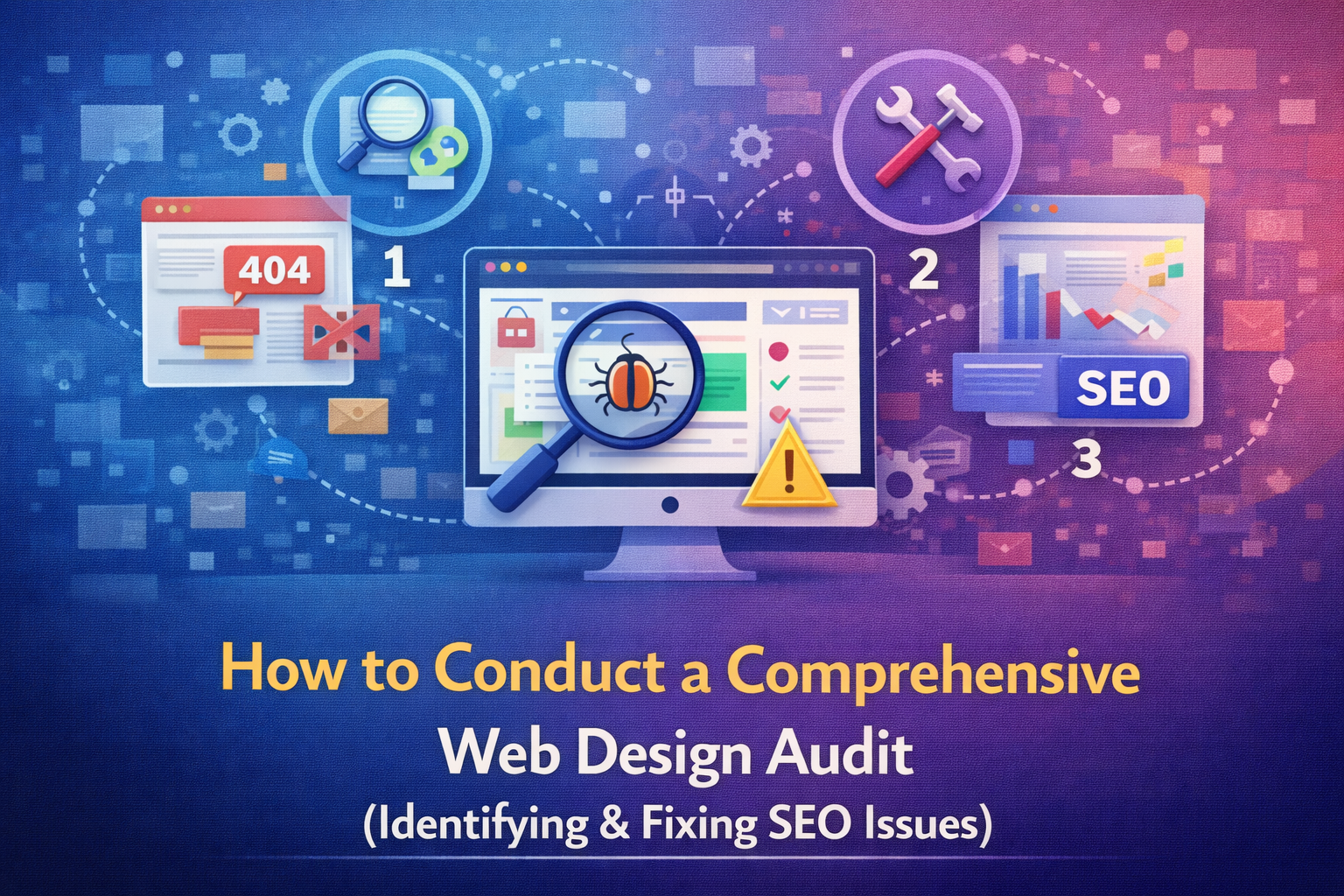
A web design audit is not just about colors, fonts, or layouts. It is a deep review of how your website is structured, how it performs, how users interact with it, and how search engines read it.
It answers important questions like:
- Is my website easy to navigate
• Does it load fast enough
• Can search engines crawl it properly
• Does the design support content and conversions
When design and SEO are aligned, your website becomes easier to find and easier to use.
Why Web Design and SEO Are Closely Connected
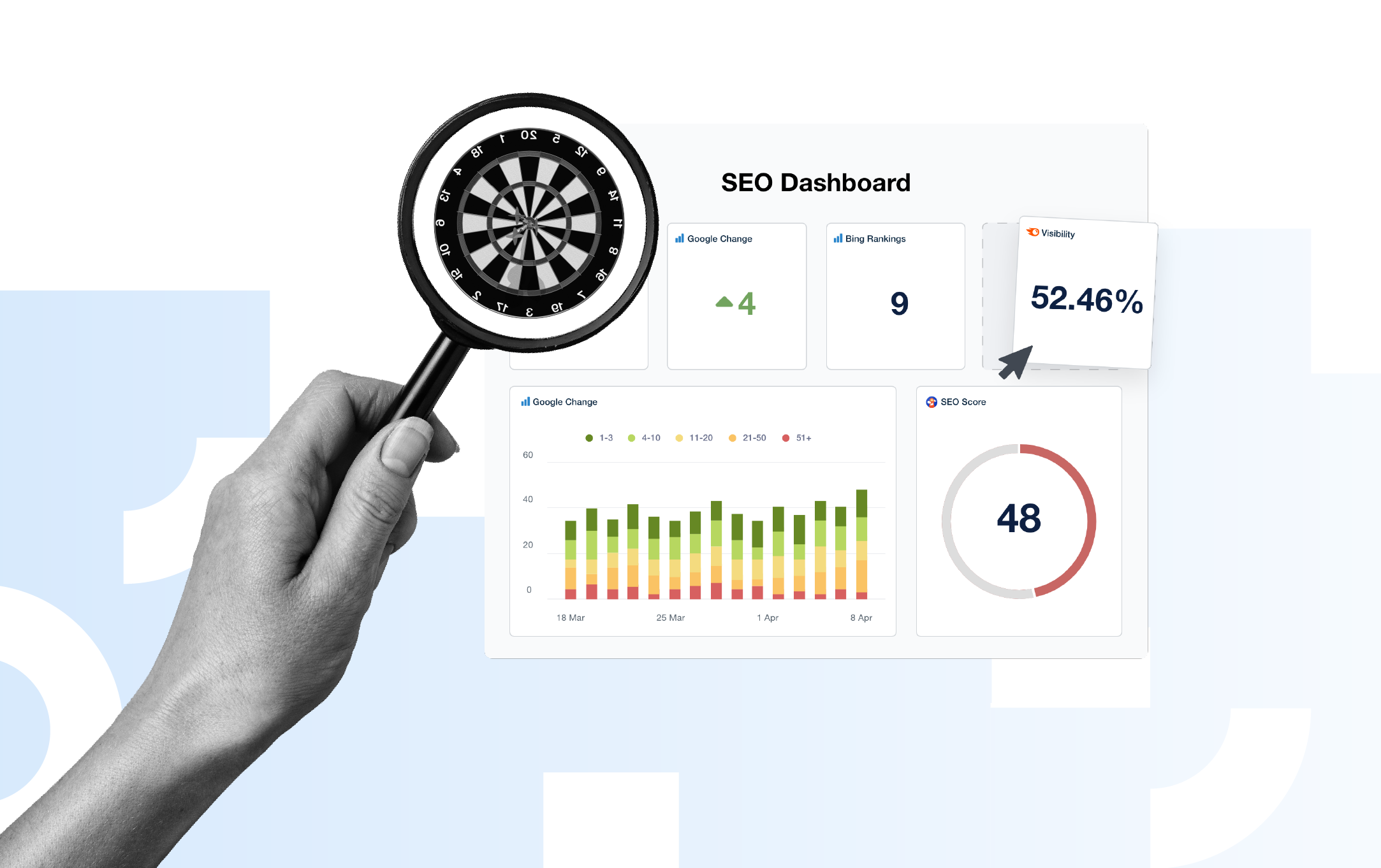
Search engines are built to reward good user experiences. If your website frustrates users, loads slowly, or hides important content, rankings eventually suffer.
A design audit helps you:
- Improve user engagement
• Reduce bounce rates
• Increase time spent on pages
• Strengthen technical SEO health
Good design is not just about looking good. It is about working well.
Start With Website Structure and Navigation
Before diving into technical tools, look at your website like a visitor would.
Ask yourself:
- Is it easy to find important pages
• Does the menu make sense
• Are services and content clearly grouped
• Can users reach key pages quickly
Search engines prefer websites with clear structure and logical internal linking. If your navigation feels cluttered or confusing, it is likely hurting both usability and SEO.
Check Mobile Responsiveness Early
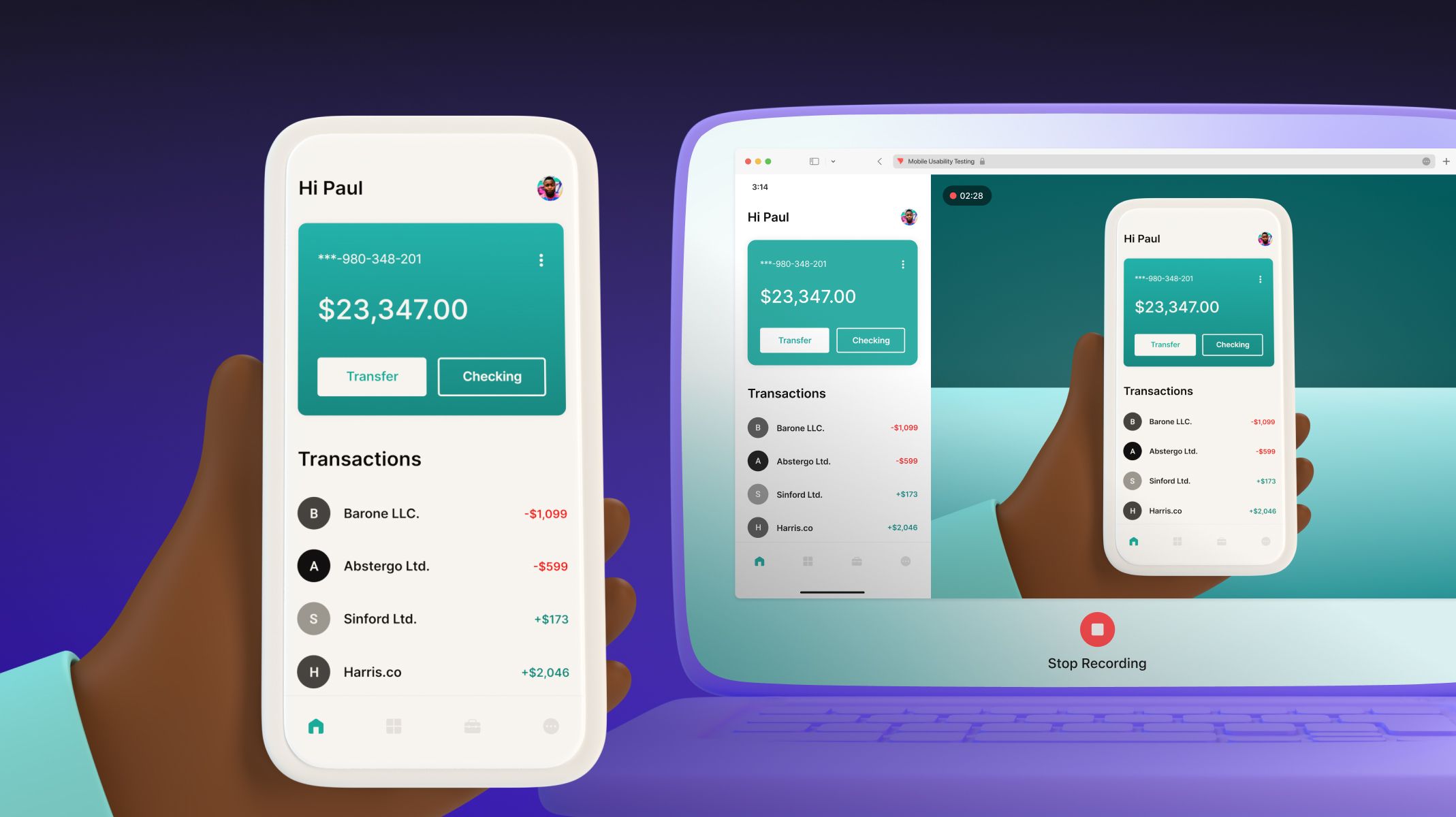
Most users now visit websites from mobile devices, and search engines prioritize mobile friendly sites.
During your audit, check:
- How pages look on different screen sizes
• Whether text is readable without zooming
• If buttons and forms are easy to tap
• Whether mobile pages load smoothly
A design that works only on desktop is no longer acceptable.
Review Page Speed and Performance
Slow websites quietly lose traffic.
Even a beautifully designed site can fail if it takes too long to load. Performance issues often come from oversized images, unnecessary scripts, or poor hosting.
Look at:
- Page load times
• Image optimization
• Code cleanliness
• Server response
Speed improvements often lead to instant SEO and conversion gains.
Audit On Page SEO Elements Within the Design
Design and SEO meet directly on the page.
Check whether:
- Headings are structured properly
• Text is easy to scan
• Important keywords appear naturally
• Images include descriptive alt text
Overdesigned pages sometimes bury content under visuals. Your design should highlight content, not hide it.
Uncover Technical SEO Issues Hidden in Design
Some SEO problems are invisible without proper inspection.
Common issues include:
- Broken links
• Duplicate pages
• Missing meta tags
• Incorrect redirects
• Crawl errors
These issues can exist even on visually perfect websites and significantly affect rankings.
Evaluate Content Quality and Layout Together
Content and design must work as a team.
Ask yourself:
- Is content still relevant
• Is it easy to read
• Does the layout support storytelling
• Are key points visible without scrolling too much
Well structured content keeps users engaged and signals quality to search engines.
Observe User Behavior Signals
Modern SEO looks closely at how users behave.
Review metrics such as:
- Bounce rate
• Time on page
• Scroll behavior
• Conversion paths
If users leave quickly or never reach important sections, your design may be working against your goals.
Do Not Ignore Accessibility
Accessible design benefits everyone.
During your audit, check:
- Font sizes and contrast
• Clear button labels
• Logical reading order
• Compatibility with assistive tools
Accessibility improvements often lead to better usability and stronger SEO performance.
Review Conversion Elements
Traffic alone is not success.
Check whether:
- Calls to action are visible
• Forms are easy to complete
• Trust signals are present
• Users know what to do next
A good audit ensures your design guides users toward meaningful actions.
Turn Findings Into Action
The most important part of a web design audit is what you do next.
After reviewing everything:
- Prioritize critical SEO issues
• Fix performance bottlenecks
• Improve navigation and layout
• Refine content presentation
• Monitor improvements regularly
Audits are not one time tasks. They are part of ongoing website improvement.
In This Article
- Understanding web design audits
• How design affects SEO
• Website structure and navigation
• Mobile responsiveness
• Page speed and performance
• On page SEO elements
• Technical SEO issues
• Content and layout review
• User behavior and accessibility
• Conversions and next steps
Frequently Asked Questions
How often should a web design audit be done
At least once a year or whenever you redesign or update your website.
Can a design audit really improve SEO
Yes. Better usability, structure, and performance directly impact rankings.
Do small websites need audits too
Yes. Even small sites can have hidden SEO and design issues.
Is this something businesses can do themselves
Basic audits can be done internally, but professional audits go deeper.
How long does it take to see results after fixes
Some improvements show results quickly, while others take a few weeks.