

How Much Does Website Development Cost in the USA?
Choosing to build a website is one thing. Understanding how much it costs is another thing entirely. Whether you are a small business owner, startup founder, or an established company, knowing the real costs behind website development in the USA helps you budget better, pick the right partner, and set expectations before you begin.
Website development cost is not fixed or one-size-fits-all. It depends on a combination of features, complexity, design needs, performance requirements, integrations, and the expertise of the team building it.
This guide explains the key factors that influence website development cost in the USA, typical price ranges you can expect, and how to get the best value for your investment.

Why Understanding Website Development Costs Matters
Many businesses underestimate their website development budgets. They focus only on design or visuals, ignoring backend complexity, functionality, hosting, security, or long-term maintenance.
Understanding costs upfront helps you:
- Set a realistic budget
• Avoid hidden expenses
• Choose the right development partner
• Plan for long term scalability
• Optimize ROI from your website project
A well built website pays for itself through better conversions, stronger branding, improved user experience, and reduced maintenance headaches down the line.
What Affects Website Development Cost in the USA

Several key factors influence how much a website will cost to build. These include:
1. Project Scope and Complexity
The more complex the site, the higher the cost.
- Simple brochure websites cost less
• Ecommerce and marketplace websites cost more
• Custom web applications cost the most
Sites that require user accounts, payment systems, database integrations, and advanced features are priced higher because they require specialized development and testing.
2. Design Requirements
Custom design tailored to your brand costs more than pre built templates.
Design elements that increase cost include:
- Custom page layouts
• High fidelity UI and UX design
• Interactive elements
• Animations or advanced visuals
• Branding and graphic design
Custom design improves user engagement but also requires more time and expertise to build.
3. Functionality and Features
The features you need influence the cost significantly. Examples include:
- Contact forms
• Lead generation forms
• Portfolio pages
• Ecommerce functionality
• Booking or scheduling systems
• Membership portals
• Third party integrations
Each feature adds development time and testing requirements.
4. Content Needs
Web development often includes content creation or migration. This can involve:
- Copywriting
• Image sourcing
• Video production
• SEO optimized content
• Blog setup
Quality content helps with SEO and conversions but adds to the overall cost.
5. Technology and Platform
Different platforms and technologies have different cost structures.
- Content management systems like WordPress may be more cost effective
• Custom frameworks like React or Laravel require specialized developers
• Headless CMS or serverless architectures add complexity
• Ecommerce platforms like Shopify or WooCommerce vary in cost based on plugins and customization
Choosing the right technology based on business needs helps optimize cost and performance.
6. Hosting and Security
Website hosting and security also factor into the total cost.
Hosting options include:
- Shared hosting (lower cost)
• Cloud hosting (scalable and reliable)
• Dedicated servers (high performance)
Security features such as SSL certificates, firewalls, backups, and malware protection can be added to reduce risk and protect your users.
7. Maintenance and Support
Post launch support is often overlooked by businesses when budgeting.
Maintenance includes:
- Software updates
• Security patches
• Performance monitoring
• Content updates
• Feature enhancements
Ongoing support ensures your website remains secure and up to date as technology and user expectations evolve.
Typical Website Development Cost Ranges in the USA
Here’s a realistic breakdown of what website development typically costs in the United States:
Basic Business Website
- Purpose: Informational site, 5 to 10 pages
• Features: Contact form, team page, services page
• Estimated Cost: $2,000 to $8,000
Best for startups, service based businesses, portfolios. Cost varies based on design and developer rates.
Small to Mid-Size Business Website
- Purpose: Full company site, blog, landing pages
• Features: Lead forms, SEO basics, content management
• Estimated Cost: $8,000 to $20,000
Ideal for growing businesses that want a professional online presence with marketing integrations.
Ecommerce Website
- Purpose: Online store with product catalog
• Features: Payment gateway, cart system, product pages
• Estimated Cost: $10,000 to $50,000+
Price varies widely based on number of products, custom checkout flows, shipping logic, and integrations.
Custom Web Applications or Large Platforms
- Purpose: Complex applications, portals, dashboards
• Features: User accounts, multi step processes, API integrations
• Estimated Cost: $50,000 to $200,000+
These projects require specialized developers, extensive testing, and multiple iterations.
How to Get the Best Value for Your Budget
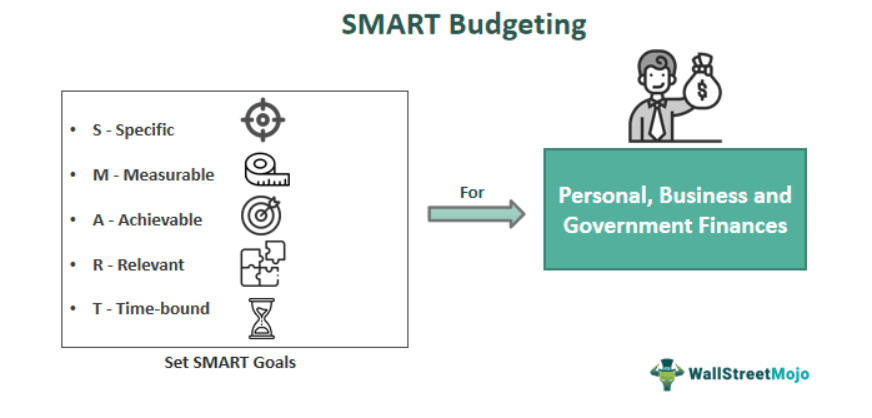
Getting the most out of your website investment involves smart planning.
Here are some tips:
- Define clear business goals before you start
• Focus on core features first
• Prioritize mobile optimization and UX
• Ask for staged delivery (MVP and later enhancements)
• Partner with an experienced agency or developer
• Ensure SEO and performance optimization is included
• Plan for ongoing maintenance
A well structured process reduces surprises and keeps your project on track.
Hidden Costs to Watch For
Some costs may not be obvious at the start:
- Content writing
• Licensing fees for images or plugins
• Premium themes or paid integrations
• Marketing automation tools
• Analytics setup
Budgeting for these items in advance ensures you avoid delays and added expenses later.
Choosing the Right Web Development Partner
The partner you choose matters as much as the features you build.
Top criteria include:
- Proven portfolio
• Strong communication
• Clear project milestones
• Transparent pricing
• Post launch support
• SEO and performance focus
A good partner not only builds your site, they help you grow with it.
In This Article
- Factors That Affect Website Development Cost
• Design and Functionality Impacts
• Content and Platform Considerations
• Hosting and Security Costs
• Maintenance and Support
• Typical Cost Ranges in the USA
• Tips for Maximizing ROI
• Hidden Costs to Plan For
• Choosing the Right Development Partner
Frequently Asked Questions
How much should a simple business website cost in the USA
Typically between $2,000 and $8,000 depending on design and features.
Why do ecommerce sites cost more than basic sites
They require product catalogs, payment gateways, checkout logic, and often custom features.
Does web design affect cost significantly
Yes. Custom design increases cost but improves brand perception and user experience.
Should I pay for ongoing maintenance
Yes. Ongoing support keeps your website secure, updated, and optimized for performance.
Can I build a website on my own cheaper
DIY options exist, but professional development usually delivers stronger performance, better conversions, and fewer technical issues.