

How to Start a Shopify Store: A Beginner’s Guide
Ecommerce is no longer optional for businesses. It has become a primary revenue channel across industries.
Online retail sales continue to grow every year, with millions of consumers shifting toward digital-first buying behavior. Platforms like Shopify have made it easier than ever to enter the market.
However, ease of entry has also increased competition.
Starting a Shopify store is simple. Building one that generates consistent revenue requires strategy.
This is where most beginners struggle.
So, What Does It Really Take to Start a Shopify Store?
At a surface level, you can launch a store within a few hours.
But a successful Shopify store depends on multiple factors:
- Niche selection
- Product positioning
- Store design
- Marketing strategy
- Conversion optimization
This guide breaks down each of these elements so you can build a store that is structured for growth.
Why Shopify Is the Preferred Platform for Ecommerce
Shopify has become one of the leading ecommerce platforms globally.
Key reasons include:
- Easy setup and management
- Scalable infrastructure
- Built-in payment integrations
- Large ecosystem of apps and tools
For beginners, it removes the technical complexity. For businesses, it provides scalability.
1. Choosing the Right Niche
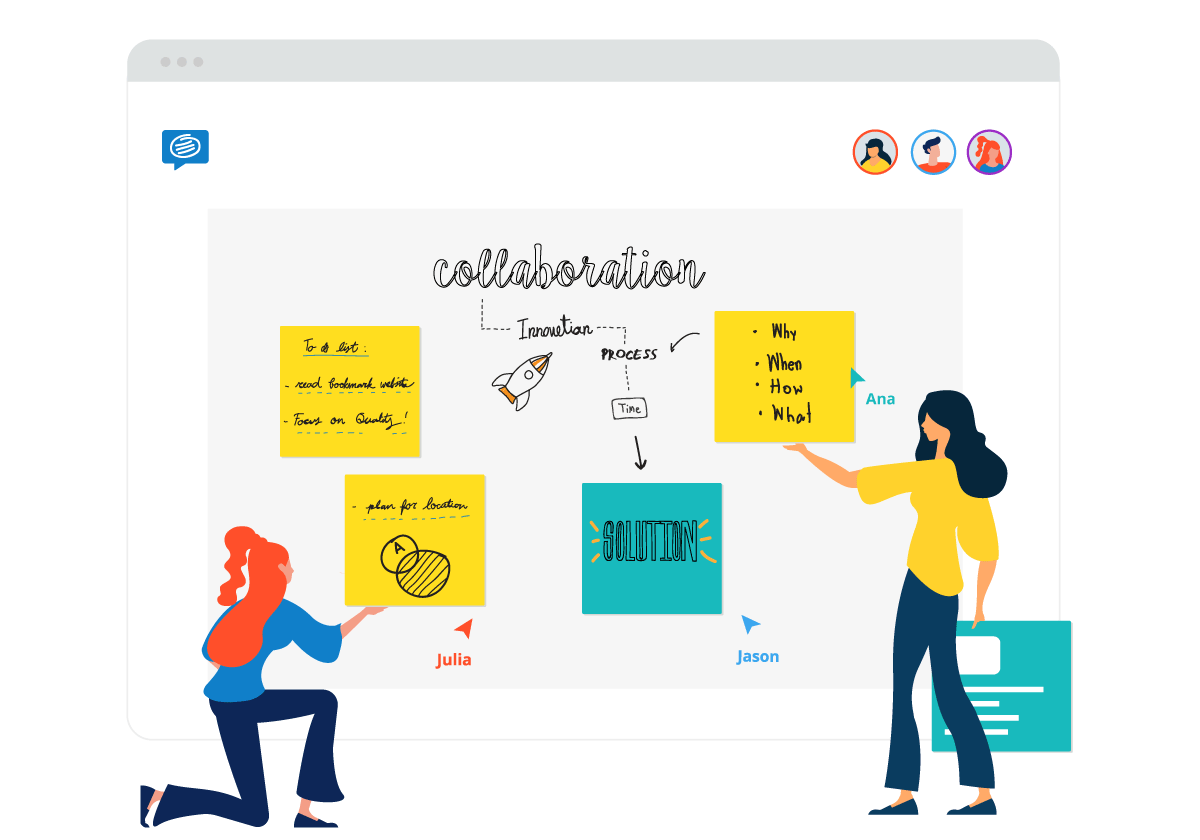
Your niche determines your audience, messaging, and marketing strategy.
Many beginners make the mistake of selecting products randomly. This often leads to poor positioning and low conversion rates.
A strong niche should:
- Solve a specific problem
- Target a defined audience
- Have consistent demand
- Allow room for branding
Tools like Google Trends can help validate demand before you invest time and resources.
2. Setting Up Your Shopify Store
Setting up your store is straightforward, but structure matters.
Steps include:
- Creating your Shopify account
- Choosing a brandable store name
- Setting currency and location
- Selecting a theme
Focus on clarity over complexity. A simple store with clear navigation performs better than a cluttered design.
3. Product Selection and Sourcing
Product choice is one of the biggest drivers of success.
You can source products through:
- Dropshipping
- Private labeling
- Wholesale purchasing
Winning products typically:
- Solve a clear problem
- Have strong visual appeal
- Offer healthy margins
- Are not easily available locally
Instead of chasing trends, focus on sustainability and long-term demand.
4. Store Design and User Experience
Design directly impacts trust and conversions.
Key elements:
- Clean layout
- High-quality images
- Clear call-to-action buttons
- Mobile optimization
Your goal is to reduce friction and guide users toward purchase.
5. Payment and Shipping Setup
A functional store must support smooth transactions.
Payment setup includes:
- Enabling Shopify Payments
- Adding alternative gateways
Shipping setup includes:
- Defining shipping zones
- Setting rates or free shipping
Transparency is critical. Unexpected costs reduce conversion rates.
6. Optimizing Product Pages for Conversions
A product page should do more than describe the product. It should convince the user to buy.
Include:
- Clear product titles
- Benefit-focused descriptions
- Bullet-point features
- Customer reviews
- Strong call-to-action
Focus on outcomes rather than features.
7. Driving Traffic to Your Store
A Shopify store without traffic will not generate sales.
Common traffic sources:
- Paid advertising
- Search engine optimization
- Social media marketing
- Influencer collaborations
Platforms like Instagram and Facebook are widely used for ecommerce growth.
8. Testing, Optimization, and Scaling
Launching your store is the first step. Growth comes from continuous improvement.
Focus on:
- Testing different products
- Improving ad creatives
- Optimizing conversion rates
- Analyzing performance data
Successful stores are built through iteration, not a single launch.
Common Mistakes to Avoid
- Choosing a weak or saturated niche
- Poor product positioning
- Low-quality visuals
- Lack of marketing strategy
- Expecting immediate results
Avoiding these mistakes can significantly improve your chances of success.
Is Starting a Shopify Store Worth It?
Yes, if approached strategically.
The ecommerce market continues to expand, and Shopify provides the infrastructure needed to build and scale an online business.
However, success depends on execution, not just setup.
How Markit Media Can Help You Build a High-Converting Shopify Store
Building a Shopify store is not just about launching a website. It is about creating a system that attracts, converts, and retains customers.
At Markit Media, we focus on:
- Shopify store setup and optimization
- Conversion-focused design
- Product positioning and branding
- Paid advertising strategy
- Ongoing performance optimization
Whether you are starting from scratch or looking to scale, the goal remains the same. Build a store that delivers measurable results.
FAQ
How much does it cost to start a Shopify store?
Costs typically start from $29 per month, excluding marketing and additional tools.
Can beginners succeed with Shopify?
Yes, with the right strategy, product selection, and marketing approach.
Do I need technical skills?
No. Shopify is designed for ease of use, even for beginners.
How long does it take to launch?
A basic store can be launched in a few hours, but optimization takes time.