

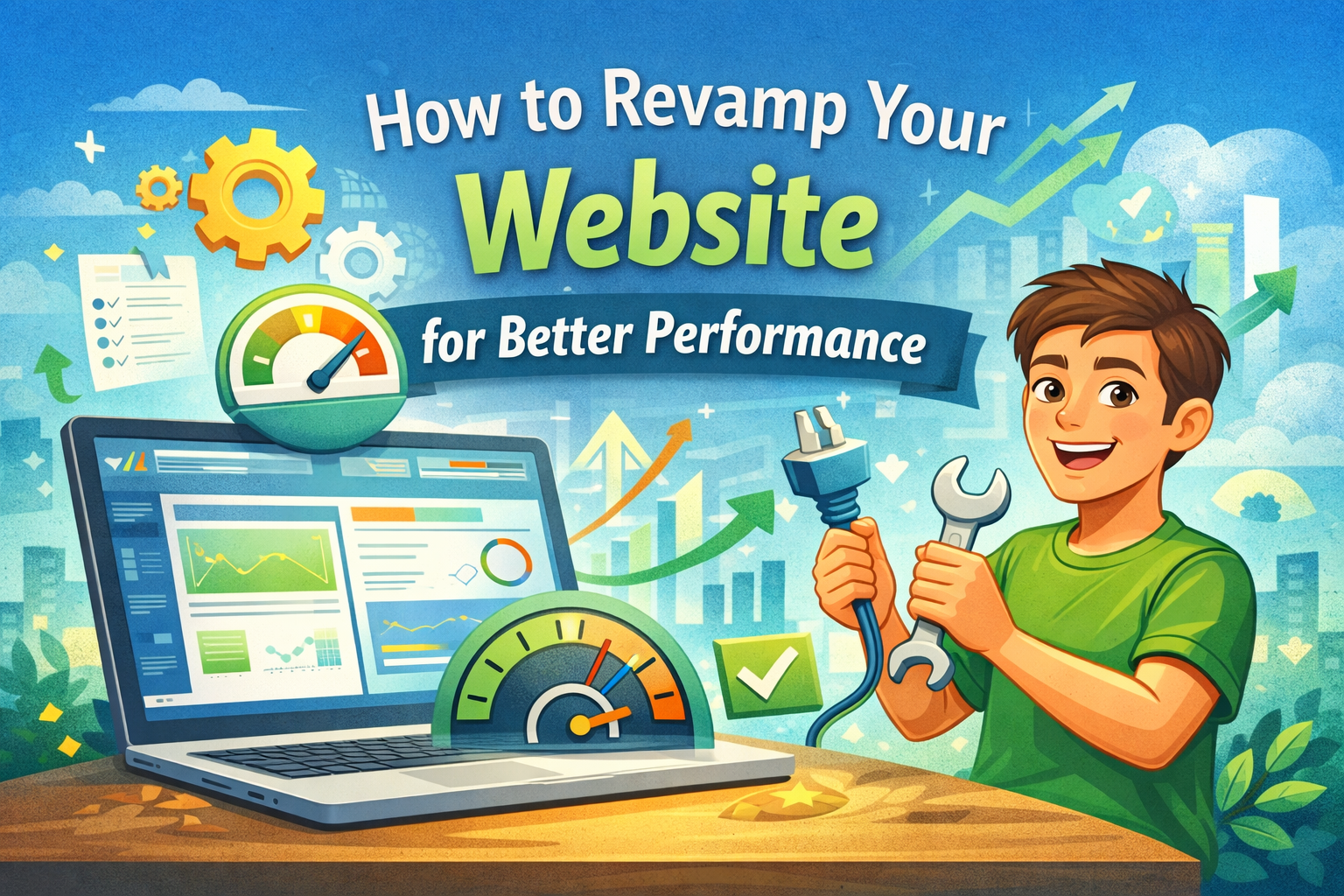
How to Revamp Your Website for Better Performance
For most businesses today, a website is not just a digital presence. It is a primary sales and conversion channel.
Yet many websites fail to perform.
They look outdated. They load slowly. They fail to convert visitors into leads or customers.
The problem is not always traffic. In many cases, the issue is performance.
This is why more businesses are investing in website revamps. Not just for design, but for measurable results.
What Does “Website Revamp” Really Mean?
A website revamp is not just a visual redesign.
It is a strategic upgrade that improves:
- Speed and performance
- User experience
- Conversion rates
- Search visibility
A well-executed revamp aligns your website with business goals rather than just aesthetics.
Why Website Performance Matters More Than Ever
User expectations have changed.
Visitors expect:
- Fast loading pages
- Clear navigation
- Mobile-friendly layouts
- Seamless interactions
Even a one-second delay in load time can reduce conversions significantly.
Search engines like Google also prioritize performance, making it a critical factor for SEO rankings.
Key Signs Your Website Needs a Revamp
Not every website needs a full rebuild. But certain signs indicate it is time for a revamp.
- High bounce rate
- Low conversion rates
- Slow loading speed
- Outdated design
- Poor mobile experience
- Difficult navigation
If your website is not supporting your business goals, it is likely limiting growth.
1. Start with a Performance Audit
Before making changes, you need clarity.
Analyze your current website:
- Page speed
- User behavior
- Conversion funnels
- Traffic sources
Tools like Google Analytics and Google PageSpeed Insights can provide actionable insights.
The goal is to identify what is working and what needs improvement.
2. Improve Website Speed and Technical Performance
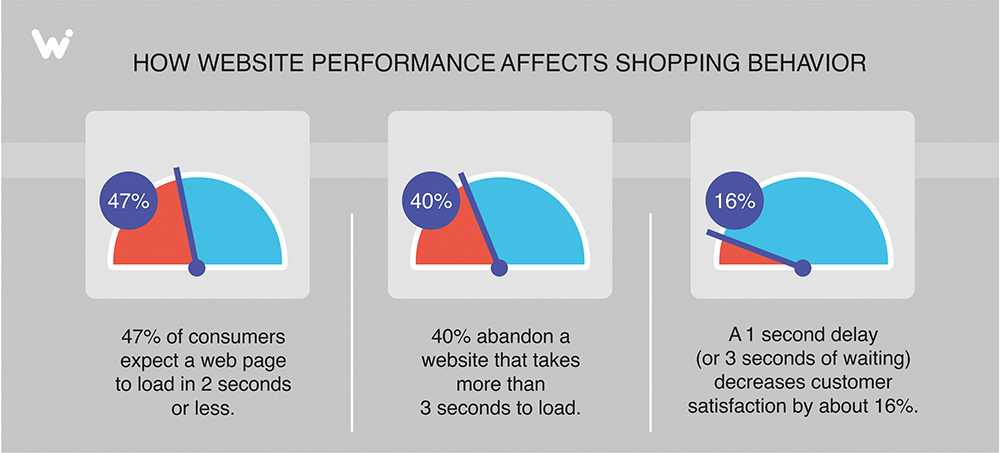
Speed directly impacts user experience and conversions.
Focus on:
- Optimizing images
- Reducing unnecessary scripts
- Using reliable hosting
- Enabling caching
- Minimizing code
A faster website keeps users engaged and reduces drop-offs.
3. Redesign for Better User Experience
Design is not just about appearance. It is about usability.
A strong user experience includes:
- Clear navigation
- Logical structure
- Consistent layout
- Easy-to-read content
Visitors should be able to find what they need quickly without confusion.
4. Optimize for Mobile Users
A large percentage of traffic now comes from mobile devices.
Your website should:
- Load quickly on mobile
- Be easy to navigate
- Have responsive design
- Use readable fonts and buttons
Ignoring mobile optimization can result in lost opportunities.
5. Strengthen Your Conversion Strategy
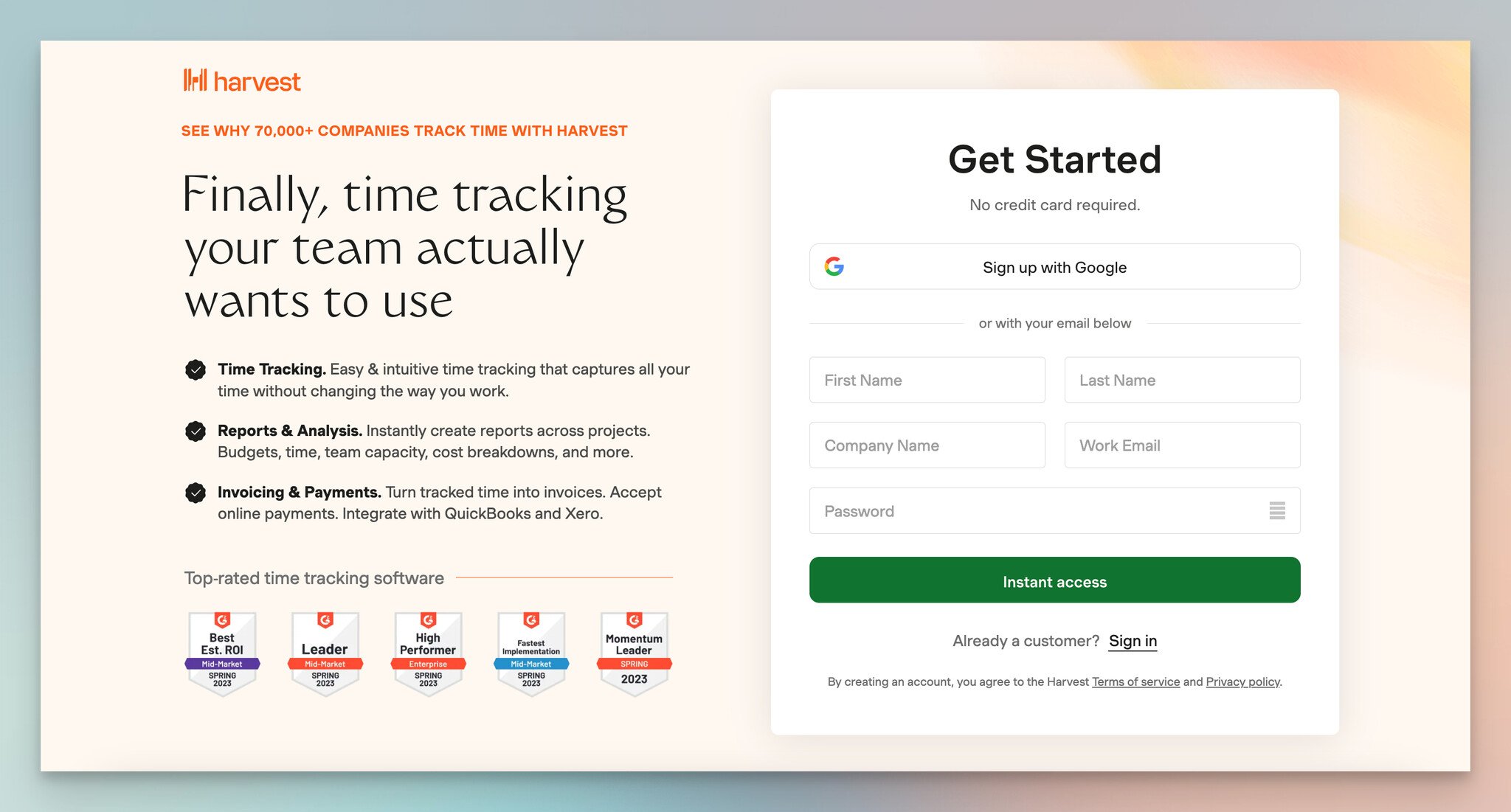
A website revamp should improve how users take action.
Focus on:
- Clear call-to-action placement
- Simple forms
- Trust elements like testimonials
- Strong landing pages
Every page should guide the user toward a specific outcome.
6. Improve Content and SEO Structure
Content plays a major role in both user engagement and search visibility.
Focus on:
- Clear headings and structure
- Keyword optimization
- Internal linking
- Relevant, value-driven content
Search engines reward websites that provide clarity and relevance.
7. Integrate the Right Tools and Technology
Modern websites rely on multiple integrations.
These may include:
- CRM systems
- Analytics tools
- Chat support
- Marketing automation
The right tools improve efficiency and user experience.
8. Test and Optimize Continuously
A website revamp is not a one-time task.
After launch, focus on:
- A/B testing
- Heatmap analysis
- Conversion tracking
- Performance monitoring
Continuous improvement leads to better results over time.
Common Mistakes to Avoid
- Focusing only on design and ignoring performance
- Overloading the website with features
- Ignoring mobile optimization
- Lack of clear conversion strategy
- Not tracking performance after launch
Avoiding these mistakes ensures your revamp delivers real value.
Is a Website Revamp Worth It?
Yes, when done strategically.
A high-performing website can:
- Increase conversions
- Improve user engagement
- Strengthen brand perception
- Support long-term growth
The key is aligning your website with business objectives.
How Markit Media Can Help You Revamp Your Website
Revamping a website requires more than design changes. It requires a clear strategy focused on performance and results.
At Markit Media, we focus on:
- Website audits and performance analysis
- Conversion-focused design
- Speed and technical optimization
- SEO structure and content alignment
- Ongoing improvements and testing
The goal is simple. Build a website that not only looks better but performs better.
FAQ
How often should a website be revamped?
Most websites benefit from a revamp every 2 to 3 years, depending on performance and industry changes.
How long does a website revamp take?
It can take anywhere from a few weeks to a few months based on complexity.
Will a revamp improve SEO?
Yes, if it includes proper technical optimization, content updates, and structure improvements.
What is the cost of a website revamp?
Costs vary depending on design, features, and development requirements.