

Website Personalization Strategies to Make Your Business Site Stand Out
Most websites today offer the same experience to every visitor.
Same content. Same layout. Same messaging.
But user expectations have changed.
Customers now expect relevance. They expect websites to understand their needs, preferences, and behavior.
This is where website personalization becomes a competitive advantage.
Businesses that personalize their websites are not just improving experience. They are increasing engagement, conversions, and retention.
What Is Website Personalization?
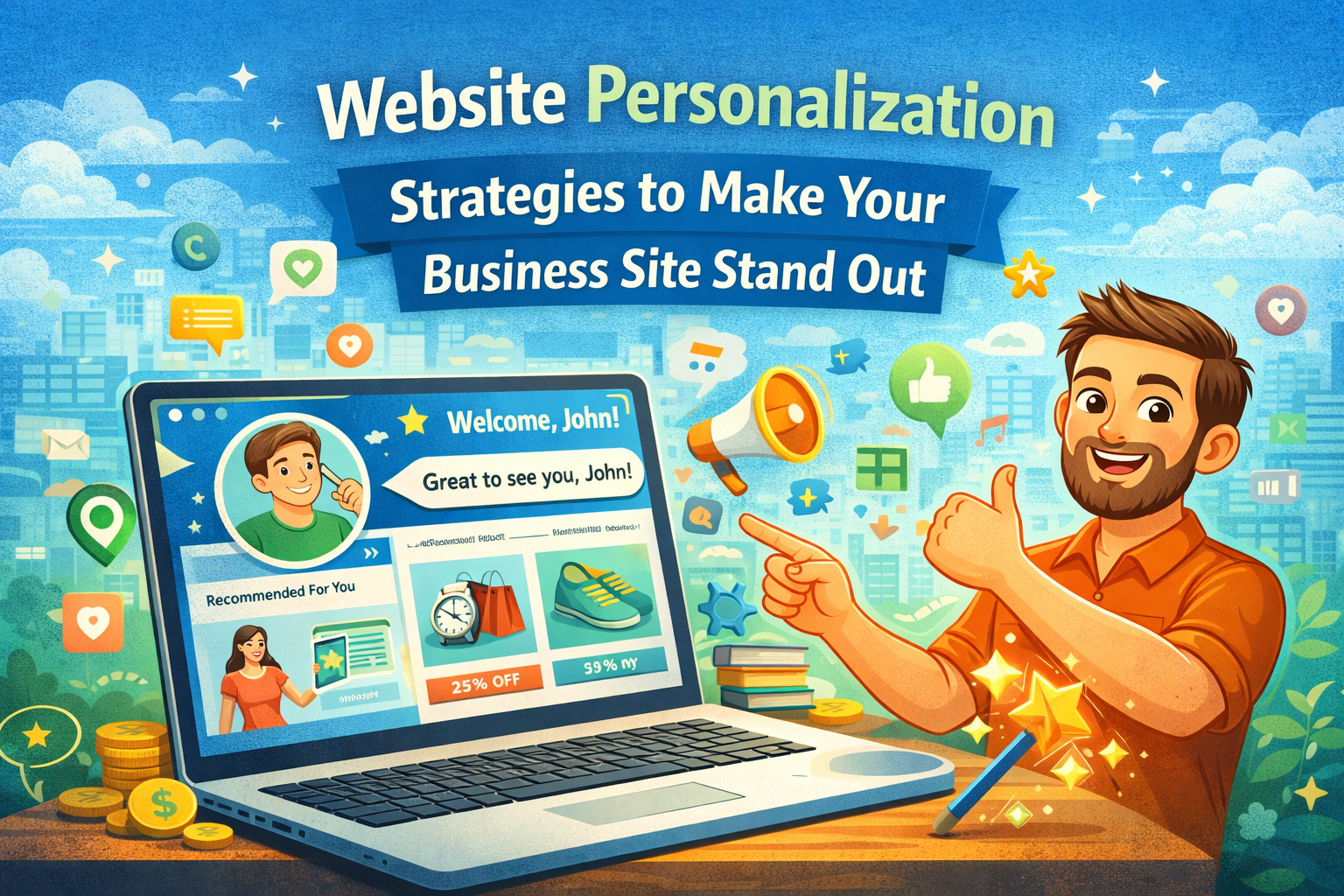
Website personalization is the process of delivering customized content and experiences based on user data.
This includes:
- User behavior
- Location
- Device
- Previous interactions
Instead of a one-size-fits-all experience, users see content tailored to them.
Why Website Personalization Matters for Business Growth
Personalization directly impacts how users interact with your website.
It helps:
- Improve user experience
- Increase time on site
- Boost conversion rates
- Build stronger customer relationships
Search engines like Google also favor websites that provide better user engagement signals.
So, What Does It Take to Personalize Your Website Effectively?
Personalization is not just about adding a user’s name.
It requires:
- Data collection
- User segmentation
- Smart content delivery
- Continuous optimization
Below are the key strategies that help businesses implement personalization effectively.
1. Segment Your Audience First
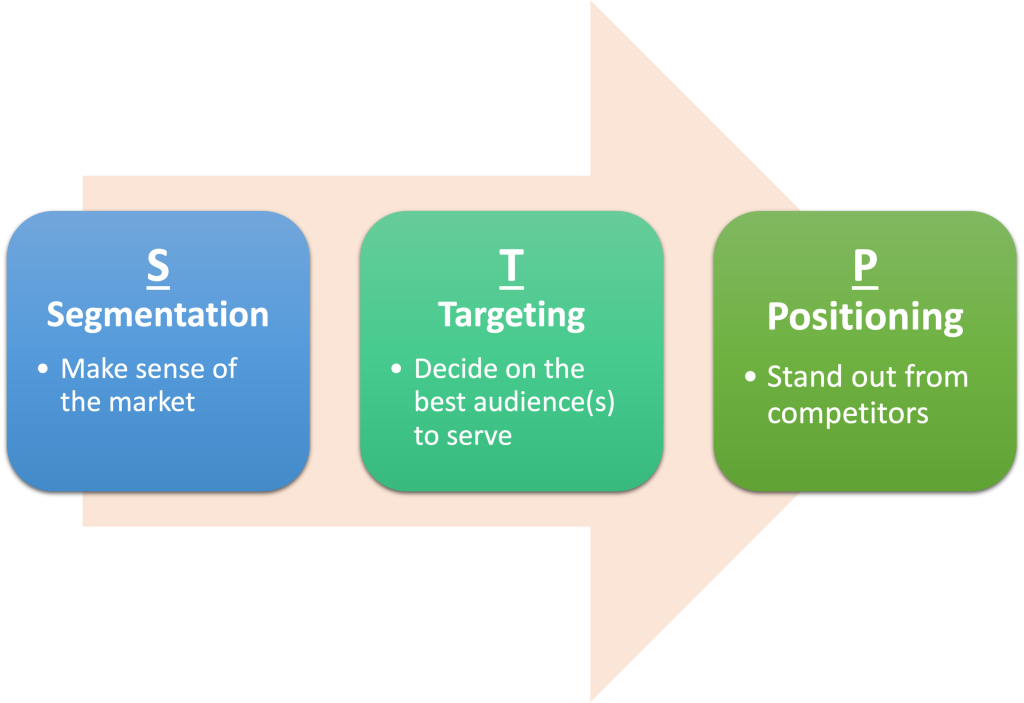
Personalization starts with understanding your users.
Segment your audience based on:
- Location
- Behavior
- Traffic source
- Purchase intent
Different users have different needs. Segmentation allows you to deliver relevant experiences.
2. Use Dynamic Content Based on User Behavior
Dynamic content allows your website to change based on user interaction.
Examples:
- Showing different homepage banners
- Recommending products based on browsing history
- Displaying relevant services
This makes the experience more engaging and targeted.
3. Personalize Landing Pages for Traffic Sources
Users coming from different sources have different expectations.
For example:
- Paid ads visitors expect direct offers
- Organic visitors look for information
- Social media users prefer visual content
Custom landing pages improve relevance and conversion rates.
4. Leverage Location-Based Personalization
Location plays a major role in user intent.
You can personalize:
- Content
- Currency
- Offers
- Language
For example, users in the USA may see different messaging compared to users in other regions.
5. Use Behavioral Triggers and Automation
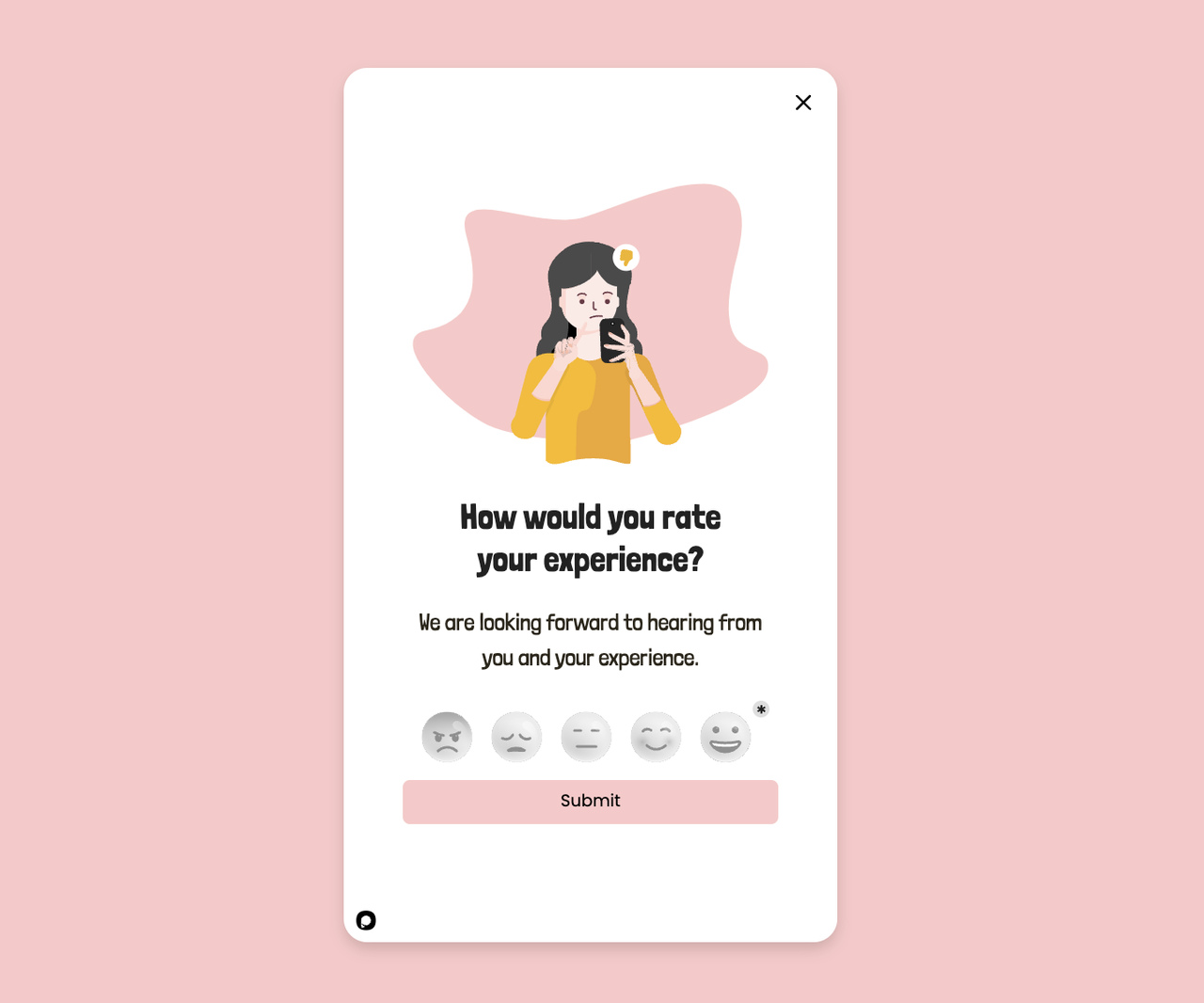
Behavioral triggers help deliver timely experiences.
Examples:
- Exit-intent popups
- Cart abandonment messages
- Returning visitor offers
Automation ensures personalization happens in real time without manual effort.
6. Recommend Products or Services Intelligently
Recommendation engines improve user experience and increase sales.
This includes:
- Related products
- Frequently bought together
- Recently viewed items
Platforms like Shopify and WordPress support plugins and tools for implementing these features.
7. Personalize Email and Retargeting Campaigns
Website personalization should extend beyond the website.
You can align it with:
- Email marketing
- Retargeting ads
- CRM data
This creates a consistent and personalized user journey across channels.
8. Test and Optimize Personalization Strategies
Personalization is not a one-time setup.
You need to:
- Test different variations
- Analyze user behavior
- Optimize based on data
Tools like Google Analytics help measure performance and identify improvement areas.
Common Mistakes to Avoid
- Over-personalization that feels intrusive
- Using inaccurate or outdated data
- Ignoring user privacy concerns
- Not testing personalization strategies
- Implementing without clear goals
A balanced approach is key to success.
Is Website Personalization Worth It?
Yes, when implemented strategically.
Personalization helps:
- Increase engagement
- Improve conversions
- Enhance user experience
- Build long-term relationships
In competitive markets, it can be the difference between average and high-performing websites.
How Markit Media Helps You Implement Website Personalization
Website personalization requires both strategy and execution.
At Markit Media, we focus on:
- User behavior analysis
- Conversion-focused personalization strategies
- Dynamic content implementation
- Integration with marketing tools
- Continuous testing and optimization
The goal is to create websites that adapt to users and drive measurable results.
Frequently Asked Questions
What is website personalization?
It is the process of customizing website content based on user data and behavior.
Does personalization improve conversions?
Yes, it increases relevance and improves user engagement.
Is personalization only for ecommerce websites?
No, service-based and content-driven websites can also benefit.
What tools are used for personalization?
Tools include analytics platforms, CRM systems, and website plugins.
In This Article
- Generic Websites No Longer Convert
- What Is Website Personalization
- Why Personalization Matters
- Segment Your Audience
- Dynamic Content Strategies
- Personalized Landing Pages
- Location-Based Personalization
- Behavioral Triggers and Automation
- Product and Service Recommendations
- Email and Retargeting Alignment
- Testing and Optimization
- Common Mistakes to Avoid
- Is Website Personalization Worth It
- How Markit Media Helps