
Meta Ads vs Google Ads: What’s the Difference?
Businesses today rely heavily on paid advertising to generate leads and sales.
But one question continues to come up:
Should you invest in Meta Ads or Google Ads?
Both platforms are powerful. Both can drive results.
But they work in fundamentally different ways.
Choosing the wrong platform can lead to wasted budget and poor performance.
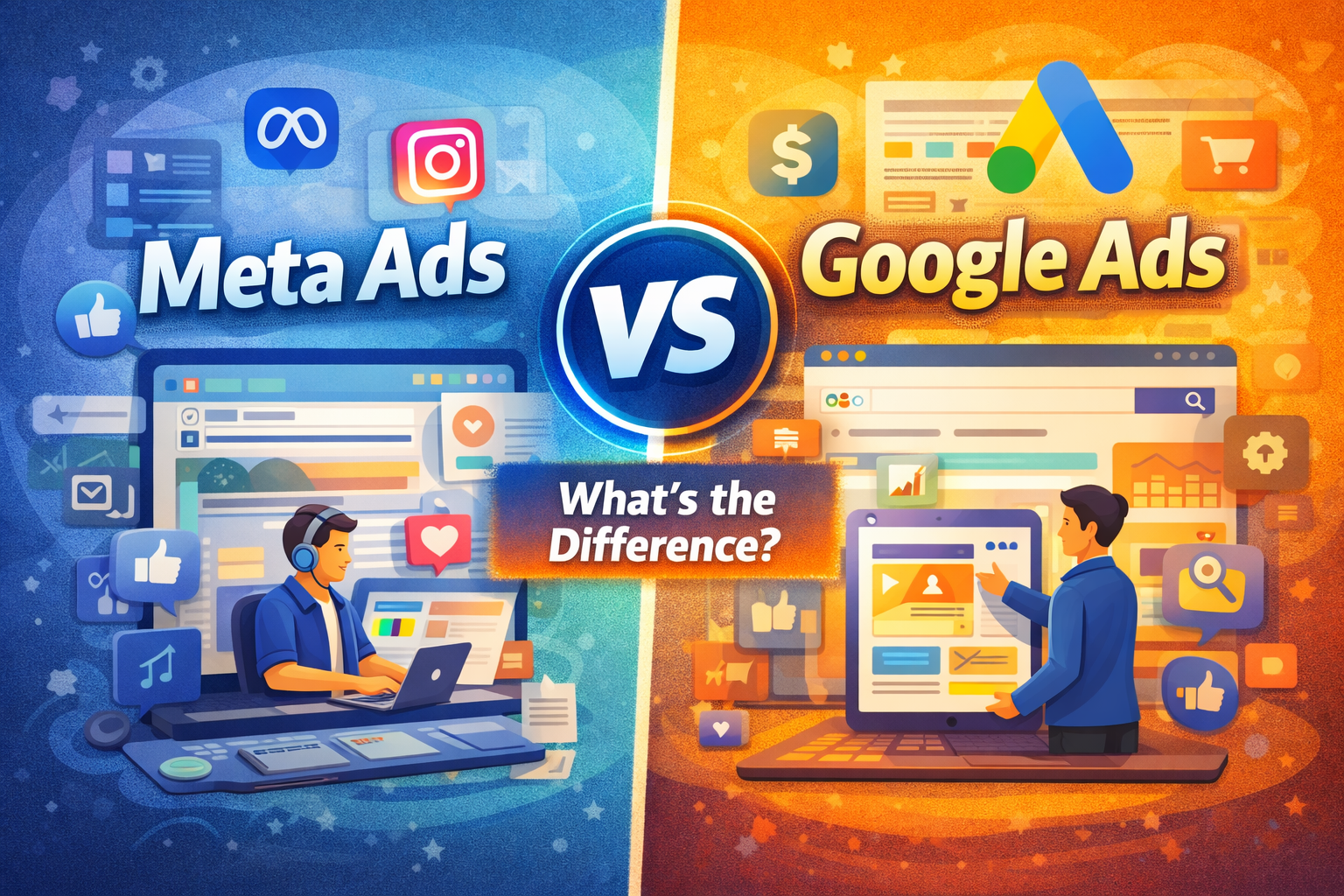
Meta Ads vs Google Ads: The Core Difference
At a high level, both platforms help businesses reach potential customers.
But the way they reach users is completely different.
- Meta Ads
Show ads to users based on interests, behavior, and demographics - Google Ads
Show ads to users based on search intent and keywords
This difference defines how each platform performs.
Why This Decision Impacts Your Marketing Results
Not all users are at the same stage of the buying journey.
Some are:
- Exploring options
- Discovering new products
- Not actively searching
Others are:
- Actively searching
- Ready to buy
- Looking for specific solutions
Platforms like Facebook and Instagram focus on discovery.
While Google focuses on intent.
Understanding this difference is key to running profitable campaigns.
1. Audience Targeting Approach
Meta Ads:
- Targets users based on:
- Interests
- Behavior
- Demographics
- Ideal for reaching new audiences
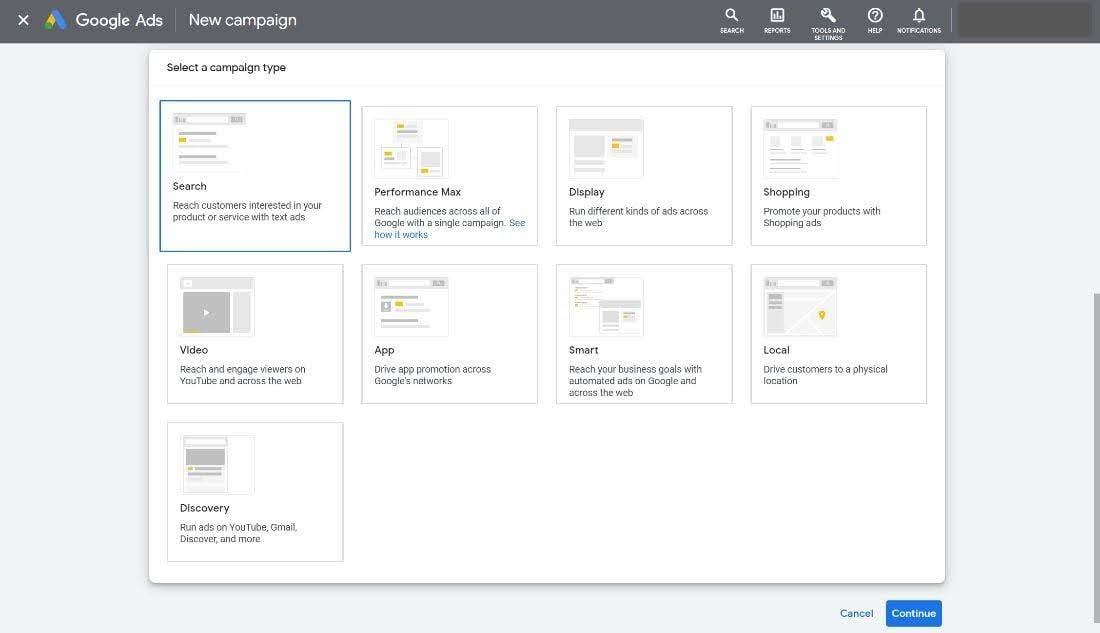
Google Ads:
- Targets users based on:
- Search queries
- Keywords
- Ideal for capturing demand
This is often described as:
- Meta Ads = Demand generation
- Google Ads = Demand capture
2. User Intent and Buying Stage
The biggest difference lies in intent.
Meta Ads:
- Users are not actively searching
- Ads interrupt browsing behavior
- Focus on awareness and engagement
Google Ads:
- Users are actively searching
- High purchase intent
- Focus on conversions
This makes Google Ads more direct, while Meta Ads is more discovery-driven.
3. Ad Formats and Creative Requirements
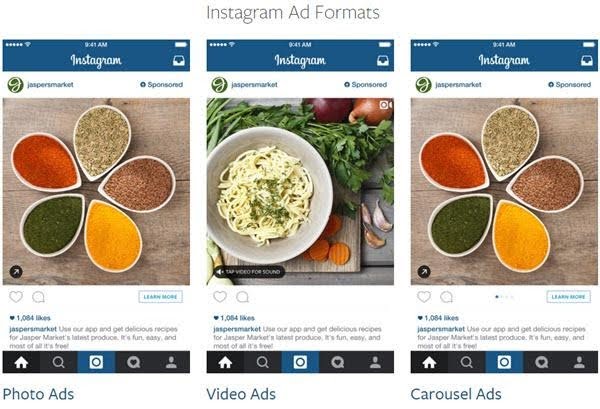
Meta Ads:
- Visual-first platform
- Requires:
- Images
- Videos
- Creative storytelling
Google Ads:
- Text-based (search ads)
- Display ads for visual campaigns
- Focus on copy and keywords
Meta Ads demand stronger creative execution.
4. Cost Structure and Pricing
Costs vary depending on competition and industry.
Meta Ads:
- Generally lower cost per click
- Requires testing creatives
- Costs depend on audience targeting
Google Ads:
- Higher cost per click in competitive niches
- Strong ROI when targeting high-intent keywords
Budget efficiency depends on strategy, not just platform.
5. Speed of Results
Meta Ads:
- Requires testing phase
- Algorithm needs time to optimize
- Results improve over time
Google Ads:
- Faster results
- Immediate visibility for targeted searches
Google Ads is often used when quick results are needed.
6. Scalability and Growth Potential
Meta Ads:
- Scales through:
- Creative testing
- Audience expansion
Google Ads:
- Scales through:
- Keyword expansion
- Budget increase
Both platforms can scale, but the approach differs.
7. When to Use Meta Ads
Meta Ads work best when:
- You want to build brand awareness
- You are launching a new product
- You need creative-driven campaigns
- Your audience is not actively searching
8. When to Use Google Ads
Google Ads work best when:
- Users are actively searching for your service
- You want direct leads or sales
- You need immediate results
- You have high-intent keywords
Meta Ads vs Google Ads: Quick Comparison
| Factor | Meta Ads | Google Ads |
| Targeting | Interests & behavior | Keywords & search intent |
| User Intent | Low to medium | High |
| Cost | Lower CPC | Higher CPC |
| Speed | Slower optimization | Faster results |
| Creative | Visual-heavy | Text-focused |
| Best For | Awareness & discovery | Conversions & demand capture |
Which Platform Should You Choose?
There is no single winner.
The right platform depends on your business goals.
Choose Meta Ads if:
- You want to generate demand
- You rely on creative storytelling
- You are building brand awareness
Choose Google Ads if:
- You want immediate conversions
- You are targeting active buyers
- You have strong keyword demand
In many cases, the best strategy is to use both.
Common Mistakes to Avoid
- Choosing one platform without strategy
- Ignoring user intent
- Poor creative quality
- Not testing campaigns
- Expecting instant results without optimization
Success depends on execution, not just platform choice.
Is It Better to Use Both Meta Ads and Google Ads?
Yes.
Combining both platforms allows you to:
- Generate demand through Meta Ads
- Capture demand through Google Ads
This creates a complete marketing funnel.
How Markit Media Helps You Run High-Performance Ad Campaigns
Running paid ads requires more than just setup.
It requires strategy, testing, and optimization.
At Markit Media, we focus on:
- Platform selection based on business goals
- High-converting ad creatives
- Data-driven campaign optimization
- Performance tracking and scaling
- Full-funnel advertising strategy
The goal is to maximize ROI, not just spend budget.
Frequently Asked Questions
Which is better, Meta Ads or Google Ads?
It depends on your goals. Meta is better for awareness, Google for conversions.
Are Meta Ads cheaper than Google Ads?
Usually yes, but performance depends on strategy.
Can I use both platforms together?
Yes, combining both often delivers better results.
How long does it take to see results?
Google Ads can show results quickly. Meta Ads require testing and optimization.
In This Article
- Paid Advertising Strategy Overview
- Meta Ads vs Google Ads Explained
- Targeting Differences
- User Intent Comparison
- Ad Formats and Creative
- Cost and Budget
- Speed of Results
- Scalability
- When to Use Meta Ads
- When to Use Google Ads
- Quick Comparison Table
- Choosing the Right Platform
- Common Mistakes
- Using Both Platforms
- How Markit Media Helps