
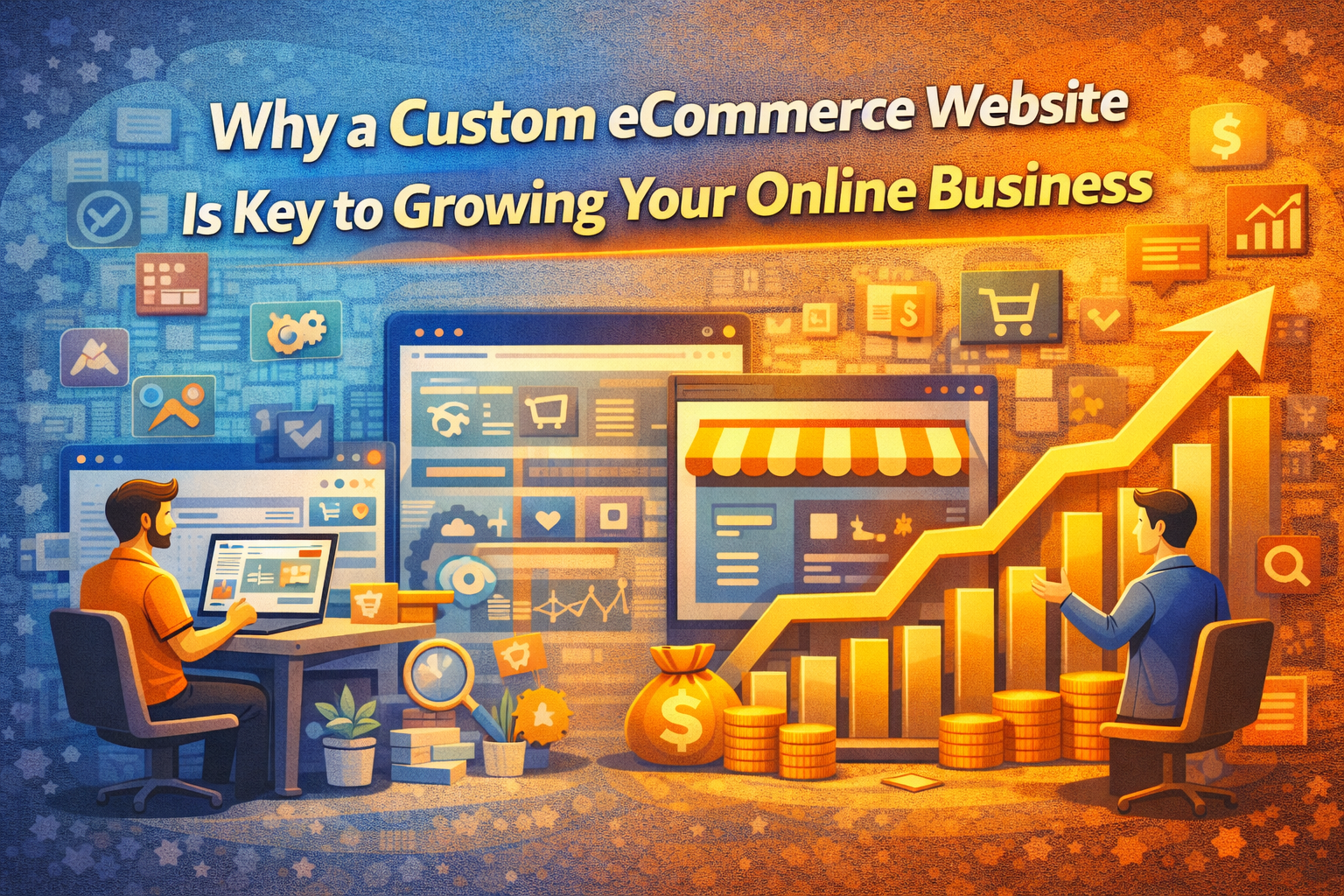
Why a Custom eCommerce Website Is Key to Growing Your Online Business
Launching an eCommerce store today is easy.
Platforms like Shopify make it possible to go live in a matter of days.
But growth is a different challenge.
Many businesses reach a point where:
- Sales plateau
- Performance becomes inconsistent
- Limitations start to appear
At that stage, the problem is often not the product.
It is the platform and structure supporting the business.
What Is a Custom eCommerce Website
A custom eCommerce website is built specifically for your business.
Unlike template-based stores, it is designed around:
- Your products
- Your audience
- Your conversion goals
Every element is intentional.
From layout to functionality, everything is tailored for performance.
Why Templates Work Initially but Fail at Scale
Template-based stores are useful in the early stages.
They offer:
- Quick setup
- Lower cost
- Basic functionality
But as your business grows, limitations appear:
- Restricted design flexibility
- Performance issues
- Limited customization
- Dependency on plugins
What works for launch often becomes a bottleneck for growth.
1. Custom Design Improves Conversions
Conversion is the core of eCommerce success.
A custom website allows:
- Optimized user journeys
- Strategic CTA placement
- Improved product presentation
Why it matters:
Even small improvements in conversion rate significantly increase revenue.
2. Tailored User Experience Builds Trust
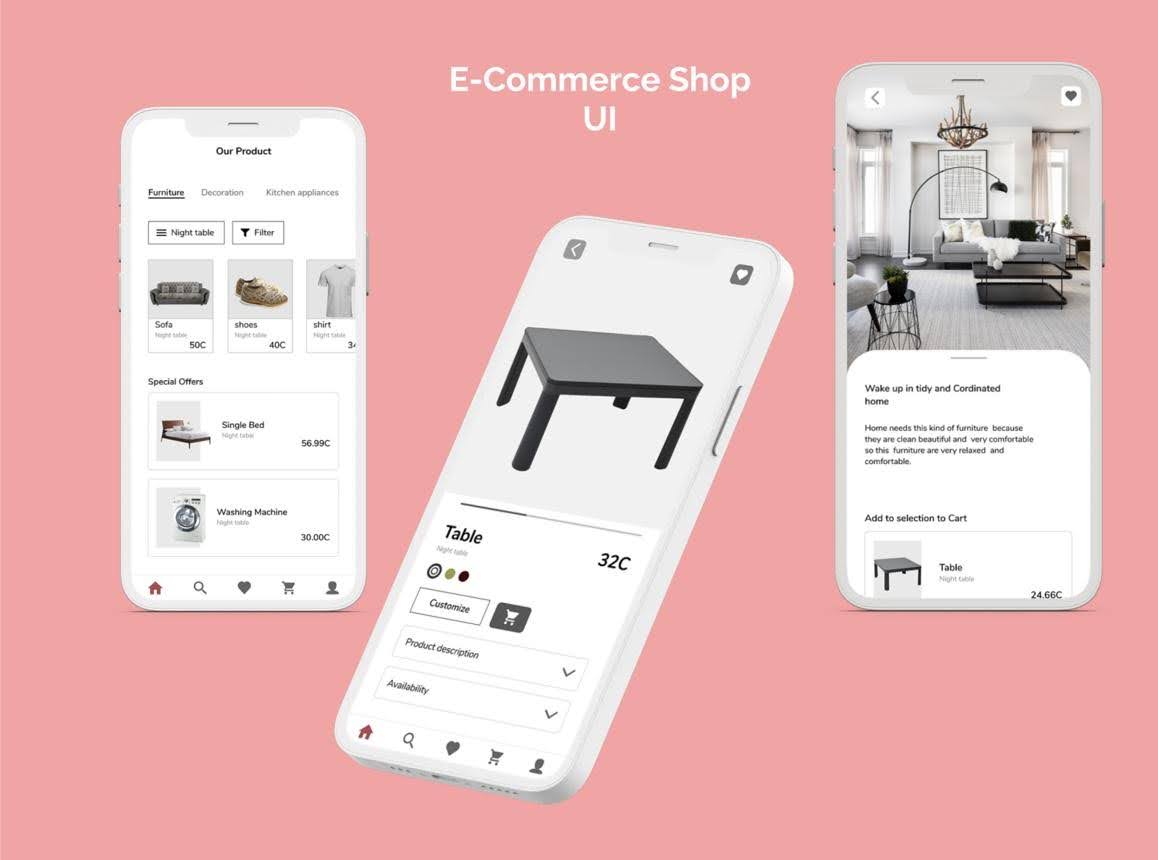
User experience directly affects buying decisions.
Custom websites:
- Simplify navigation
- Reduce friction
- Improve engagement
Why it matters:
A seamless experience increases trust and repeat purchases.
3. Scalability Supports Business Growth
Growth introduces complexity.
You may need:
- More products
- Advanced features
- Integrations
Custom websites are built to scale.
Why it matters:
You avoid costly rebuilds as your business expands.
4. Better Performance and Speed
Speed affects both user experience and SEO.
Custom websites:
- Use optimized code
- Reduce unnecessary scripts
- Deliver faster load times
Search engines like Google prioritize fast websites.
5. Advanced Features and Custom Functionality
As businesses grow, they require more than basic features.
Custom development allows:
- Unique functionalities
- Custom workflows
- Integration with business systems
Why it matters:
Your website adapts to your business, not the other way around.
6. Stronger Branding and Differentiation
Brand perception influences purchasing decisions.
Custom websites:
- Reflect your identity
- Stand out from competitors
- Create a memorable experience
Why it matters:
Strong branding increases customer loyalty.
7. Better SEO and Marketing Integration
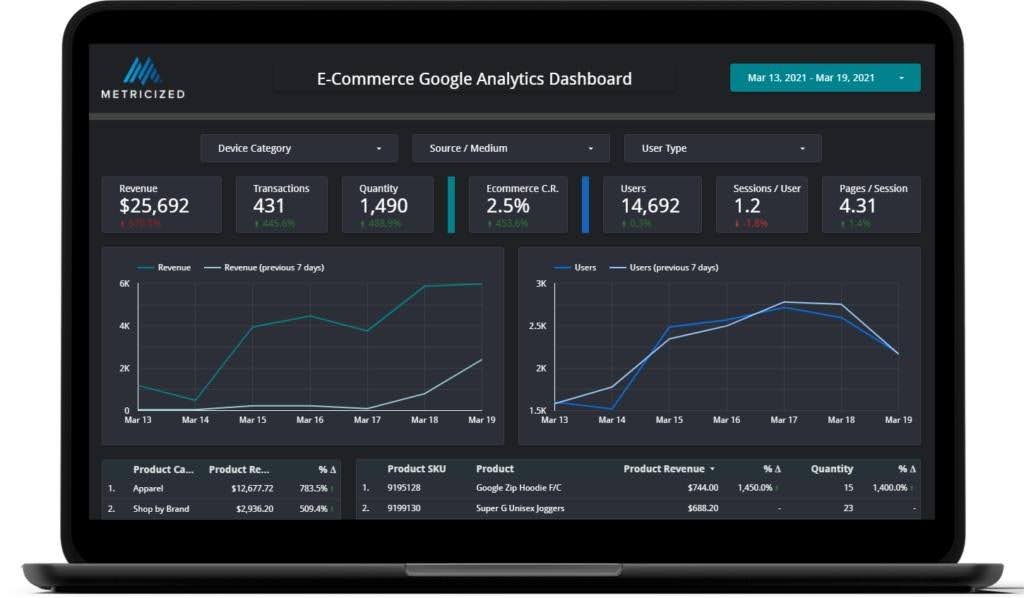
Custom websites provide better control over SEO.
They allow:
- Optimized site structure
- Faster load speeds
- Integration with marketing tools
Why it matters:
Better SEO leads to consistent organic traffic.
8. Long-Term Cost Efficiency
At first, custom websites seem expensive.
But over time, they often reduce costs by:
- Minimizing plugin dependencies
- Avoiding frequent redesigns
- Improving performance
Why it matters:
You invest once and benefit long-term.
Custom vs Template: Growth Perspective
| Factor | Custom eCommerce Website | Template Store |
| Conversion | High | Moderate |
| Flexibility | Full | Limited |
| Scalability | Strong | Restricted |
| Performance | Optimized | Variable |
| Branding | Unique | Generic |
| Long-Term Value | High | Limited |
When Should You Switch to a Custom Website
Consider moving to custom when:
- Your sales are growing
- You face platform limitations
- You need advanced features
- You want to improve conversions
This transition often marks the shift from startup to scalable business.
Common Mistakes Businesses Make
- Staying too long on basic templates
- Ignoring performance issues
- Not optimizing conversions
- Delaying scalability decisions
These mistakes slow down growth.
Is a Custom eCommerce Website Worth It
Yes, for businesses focused on scaling.
A custom website:
- Improves performance
- Increases conversions
- Supports growth
- Enhances user experience
It is an investment in long-term success.
How Markit Media Helps You Build Scalable eCommerce Websites
At Markit Media, eCommerce development is built around growth.
We focus on:
- Strategy-driven development
- Conversion-focused design
- Scalable architecture
- Performance optimization
- Marketing integration
The goal is clear.
Build eCommerce platforms that grow with your business.
Frequently Asked Questions
What is a custom eCommerce website?
A website built specifically for your business needs and goals.
Is Shopify not enough for scaling?
It works initially, but custom solutions offer more flexibility for growth.
How much does a custom eCommerce website cost?
Costs vary based on features and complexity.
When should I upgrade from a template?
When you start facing performance or scalability limitations.
In This Article
- eCommerce Growth Challenges
- What Is a Custom Website
- Limitations of Templates
- Conversion Benefits
- User Experience Improvements
- Scalability and Growth
- Performance Optimization
- Advanced Features
- Branding Impact
- SEO and Marketing
- Cost Efficiency
- Comparison Table
- When to Switch
- Common Mistakes
- Is It Worth It
- How Markit Media Helps