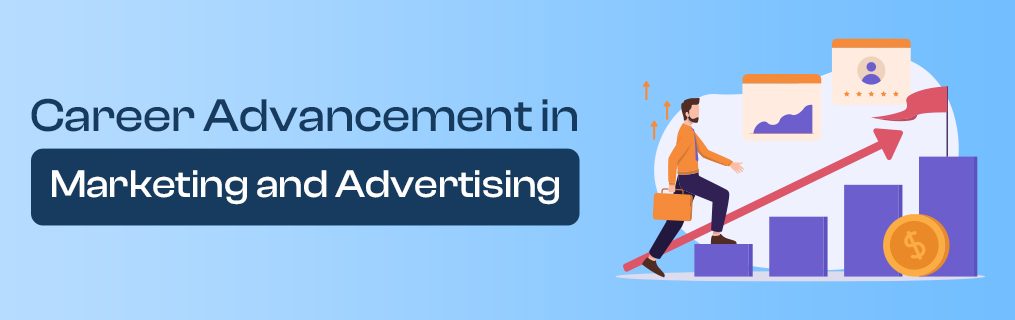

Career Advancement in Marketing and Advertising
Marketing and advertising are no longer limited to creative ideas and catchy slogans. Today, they are deeply connected to data, technology, strategy, and business growth. As the industry continues to evolve, so do career opportunities within it. Professionals who adapt, upskill, and think strategically find themselves moving ahead faster than ever.
Career advancement in marketing and advertising is not about waiting for promotions. It is about building the right skills, gaining hands on experience, understanding market trends, and positioning yourself as a valuable asset to any organization. Whether you are just starting out or already working in the field, there are clear paths to growth if you approach your career intentionally.
This guide explores how professionals can advance their careers in marketing and advertising and stay relevant in a competitive industry.
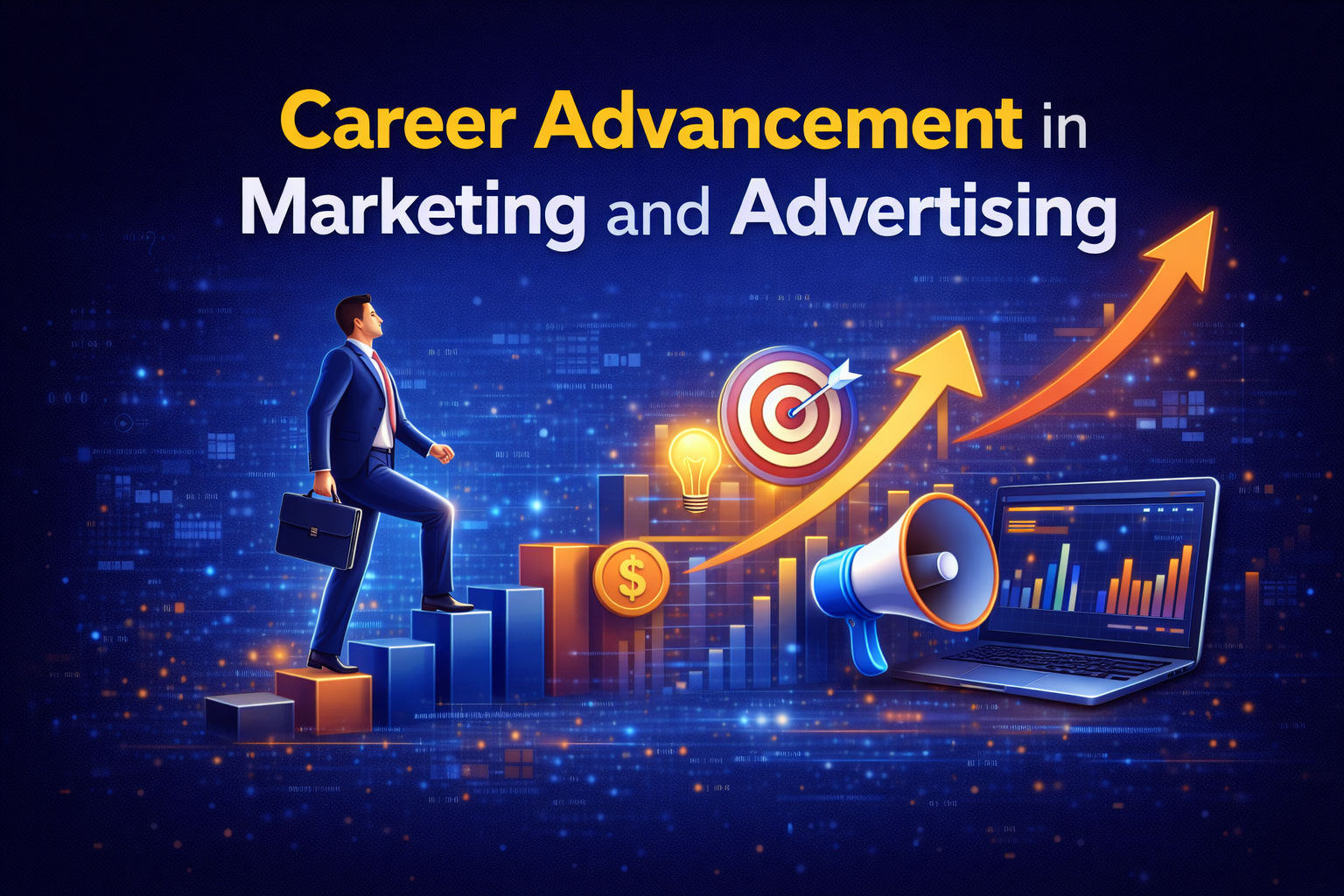
Understanding the Modern Marketing and Advertising Landscape
The marketing and advertising industry has changed dramatically over the last decade. Traditional roles have expanded, and new specializations continue to emerge.
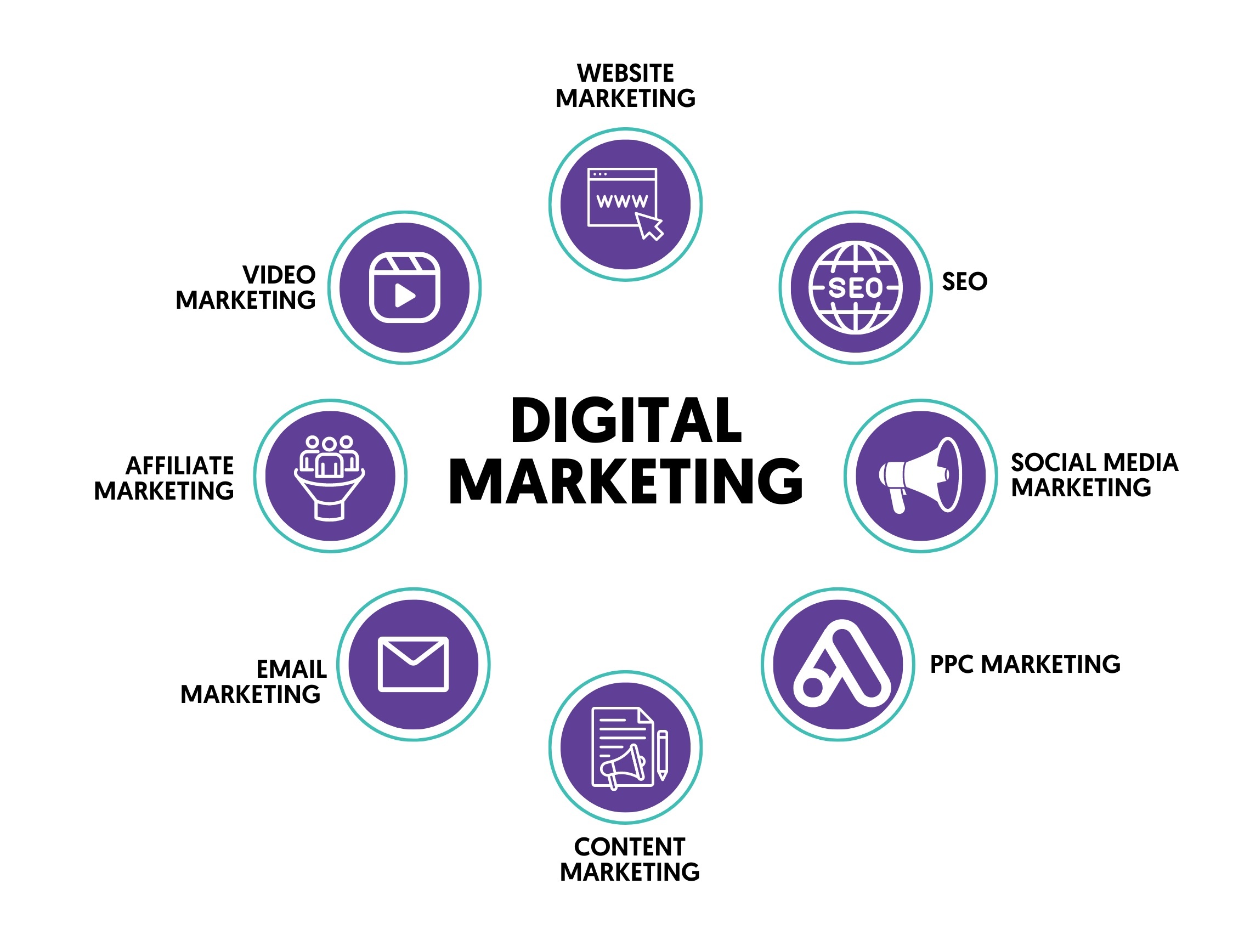
Modern marketing now includes:
- Digital marketing and performance advertising
• Search engine optimization and content strategy
• Social media marketing and influencer partnerships
• Data analytics and marketing automation
• Brand strategy and customer experience
• Paid media across search, social, and display
Understanding this evolving landscape helps professionals identify where opportunities lie and how to align their career goals accordingly.
Choosing the Right Career Path in Marketing
Marketing and advertising offer diverse career paths. Advancement begins with choosing a direction that matches your strengths and interests.
Common career paths include:
- Digital marketing specialist
• SEO and content strategist
• Social media manager
• Performance marketing manager
• Brand manager
• Creative strategist
• Marketing analyst
• Account manager or strategist
Clarity around your desired path allows you to focus your learning and experience in the right areas.
Building In Demand Skills for Career Growth
Skill development is the foundation of career advancement. Employers look for professionals who bring both creativity and technical expertise.
High demand skills in marketing and advertising include:
- Data analysis and reporting
• Paid advertising management
• SEO and content optimization
• Conversion rate optimization
• Marketing automation tools
• CRM platforms
• Campaign strategy and planning
• Copywriting and storytelling
Professionals who continuously upgrade their skills remain competitive and valuable.
Gaining Hands On Experience and Results
Experience matters as much as education. Employers and clients value proven results over theoretical knowledge.
Ways to gain experience include:
- Working on real campaigns
• Managing social media accounts
• Running paid ads with small budgets
• Freelancing or internships
• Personal projects or case studies
Documenting results and outcomes helps build credibility and confidence.
The Role of Certifications and Learning
Certifications do not replace experience, but they strengthen your profile and show commitment to learning.
Popular certifications include:
- Google Ads and Analytics
• Meta advertising certifications
• SEO and content marketing courses
• Marketing automation platforms
• Data and analytics tools
Ongoing learning helps professionals stay aligned with industry changes.
Developing Strategic Thinking
Career advancement requires moving beyond execution into strategy. Strategic marketers understand the bigger picture.
Strategic thinking includes:
- Aligning marketing goals with business objectives
• Understanding customer journeys
• Budget planning and optimization
• Interpreting data for decision making
• Coordinating across channels
Professionals who think strategically are often promoted faster and trusted with leadership roles.
Networking and Personal Branding

Relationships play a major role in career growth. Building a professional network opens doors to opportunities.
Effective networking includes:
- Active LinkedIn presence
• Industry events and webinars
• Sharing insights and case studies
• Building thought leadership
• Connecting with mentors
Personal branding helps professionals stand out in a crowded job market.
Moving into Leadership and Management Roles
As careers progress, many professionals aim for leadership roles. This shift requires new skills beyond technical expertise.
Leadership skills include:
- Team management
• Communication and collaboration
• Project planning
• Client handling
• Decision making
• Mentorship
Successful leaders balance performance with people management.
Adapting to Industry Changes
Marketing and advertising evolve rapidly. Platforms, tools, and consumer behavior change constantly.
Professionals who advance quickly are those who:
- Embrace new technologies
• Adapt to platform updates
• Experiment with new formats
• Stay informed about trends
• Learn from data and feedback
Adaptability is one of the most valuable career skills.
In This Article
- Overview of Marketing and Advertising Careers
• Choosing the Right Career Path
• In Demand Skills for Growth
• Importance of Experience
• Role of Certifications
• Strategic Thinking in Marketing
• Networking and Personal Branding
• Leadership and Management Growth
• Adapting to Industry Changes
Frequently Asked Questions
Is marketing a good long term career option
Yes. Marketing continues to grow as businesses increasingly rely on digital channels and data driven strategies.
How long does it take to advance in marketing
Career growth depends on skills, experience, and performance. Many professionals see significant progress within three to five years.
Do I need a degree to succeed in marketing
A degree helps, but skills, experience, and results often matter more.
Which marketing roles pay the most
Performance marketing, data analytics, and leadership roles often offer higher compensation.
How can beginners grow faster in marketing
By focusing on learning, gaining hands on experience, and building a strong portfolio.