
How to Build a Modern Website From Scratch
Building a modern website is no longer just about design. In today’s digital landscape, a website is a business asset. It represents your brand, supports marketing efforts, converts visitors into customers, and plays a critical role in visibility on search engines. Whether you are launching a new business, rebuilding an outdated site, or creating a personal brand, understanding how to build a modern website from scratch is essential.
A modern website balances design, performance, usability, and strategy. It is fast, mobile friendly, secure, easy to navigate, and built with clear goals in mind. This guide walks you through the complete process of building a modern website step by step, from planning to launch.
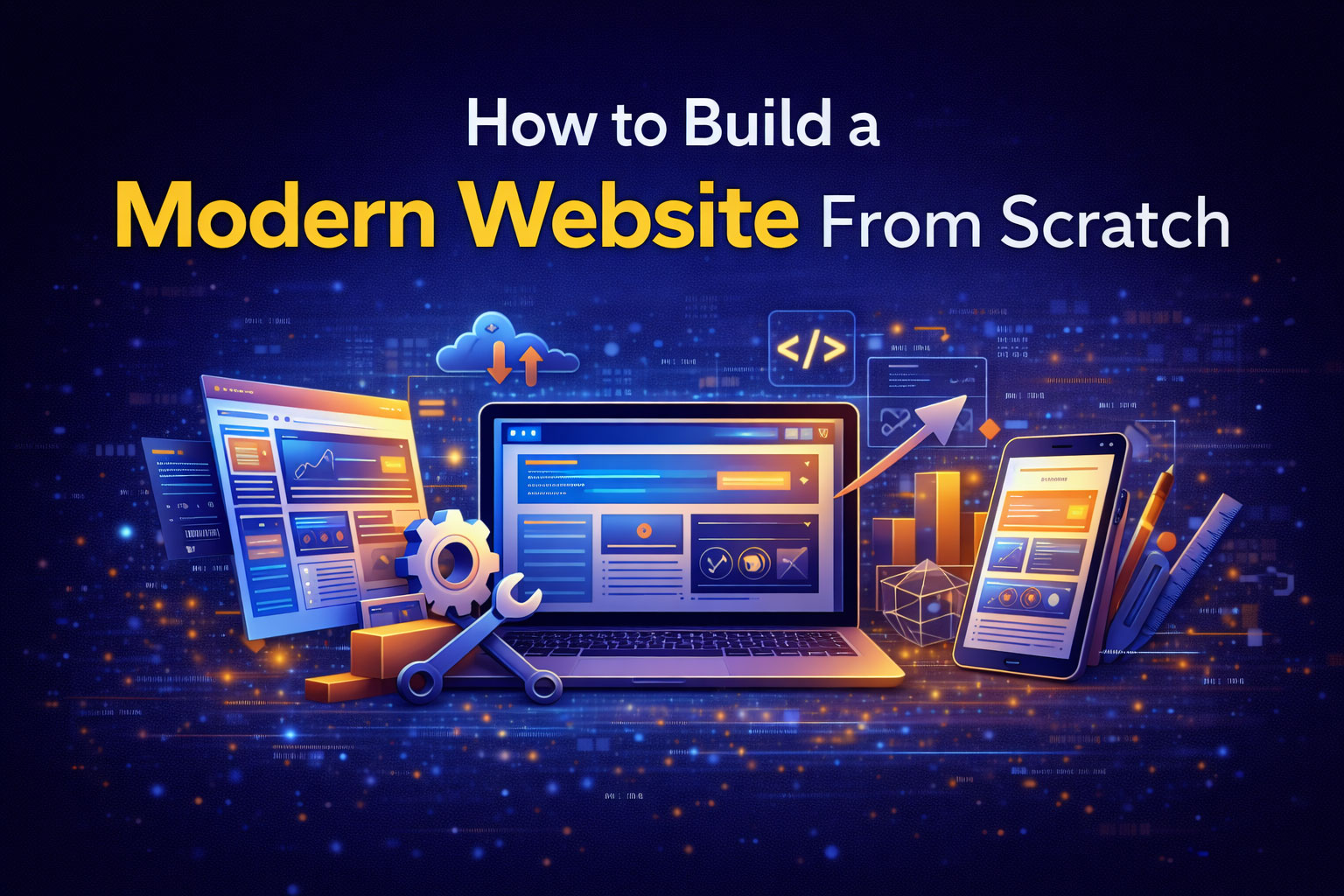
What Defines a Modern Website
A modern website is designed around user experience and performance. It does not just look good. It works smoothly across devices and supports business objectives.
Key characteristics of a modern website include:
- Mobile first design
• Fast loading speed
• Clear structure and navigation
• Strong visual identity
• Optimized content
• Secure and reliable setup
• Conversion focused layout
Modern websites are built for users first and search engines second.
Planning Your Website Before You Start
Every successful website begins with planning. Skipping this step often leads to redesigns, poor performance, and unclear messaging.
Before building your website, define:
- Purpose of the website
• Target audience
• Primary goals such as leads, sales, or awareness
• Key pages required
• Brand tone and visual direction
Clear planning ensures every design and development decision supports your goals.
Choosing the Right Platform and Technology
The platform you choose determines flexibility, scalability, and ease of management.
Common website building options include:
- WordPress for flexibility and content driven sites
• Custom development for complex or unique requirements
• Website builders for simple projects
• Ecommerce platforms for online stores
A modern website should be easy to update, scalable for growth, and compatible with marketing tools.
Designing a User Focused Layout
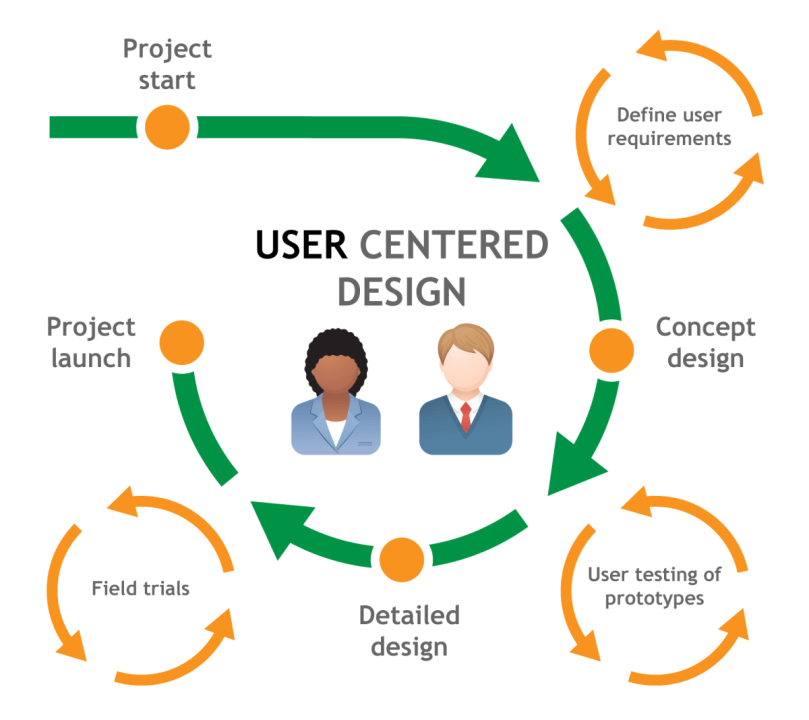
Design is not just about visuals. It is about how users move through your website.
A user focused design includes:
- Simple and intuitive navigation
• Clear headings and sections
• Consistent colors and typography
• Visual hierarchy
• Clear calls to action
Modern design prioritizes clarity and usability over clutter.
Creating High Quality Website Content
Content gives your website meaning. It communicates who you are, what you offer, and why users should trust you.
Strong website content should:
- Address user needs
• Be easy to read and scan
• Reflect brand voice
• Include clear calls to action
• Support SEO without sounding forced
Content should guide users naturally toward the next step.
Optimizing for Mobile and Speed
Most users access websites through mobile devices. A modern website must perform well on all screen sizes.
Key optimization steps include:
- Responsive design
• Image compression
• Clean code structure
• Fast hosting
• Caching and performance tools
Speed and mobile optimization improve user experience and search rankings.
Implementing SEO From the Start
SEO should be built into your website from day one, not added later.
Foundational SEO elements include:
- Proper page structure
• Keyword optimized content
• Meta titles and descriptions
• Internal linking
• Image optimization
• Clean URLs
Search friendly websites attract consistent organic traffic over time.
Adding Security and Technical Essentials
Website security protects both users and business data.
Essential technical features include:
- SSL certificate
• Secure hosting
• Regular backups
• Spam protection
• Performance monitoring
Security builds trust and prevents costly issues.
Testing and Launching Your Website
Before launching, testing ensures everything works as intended.
Testing should cover:
- Mobile responsiveness
• Browser compatibility
• Page speed
• Forms and integrations
• Links and navigation
A smooth launch sets the foundation for success.
Maintaining and Improving Your Website Over Time
A modern website is never truly finished. Ongoing updates and optimization keep it effective.
Maintenance includes:
- Content updates
• Performance checks
• SEO improvements
• Security updates
• Conversion optimization
Continuous improvement helps your website grow with your business.
In This Article
- What Makes a Website Modern
• Website Planning Basics
• Choosing the Right Platform
• User Focused Design
• Creating Strong Content
• Mobile and Speed Optimization
• SEO Fundamentals
• Security and Technical Setup
• Website Testing and Launch
• Ongoing Website Maintenance
Frequently Asked Questions
How long does it take to build a modern website
Simple websites can take a few weeks, while larger projects may take several months.
Do I need coding skills to build a website
Not necessarily. Many platforms allow website creation without coding, though technical knowledge helps.
Is SEO important when building a website
Yes. SEO built from the start saves time and improves long term visibility.
How much does it cost to build a website
Costs vary based on complexity, design, and features. Planning helps control budget.
How often should a website be updated
Regular updates are recommended to keep content fresh, secure, and optimized.