


Five Leadership Skills That Help Organizations Grow
Strong leadership is one of the most important drivers of organizational growth. While technology, strategy, and market conditions all play a role, it is leadership that determines how effectively these elements come together. Organizations with capable leaders adapt faster, motivate teams better, and sustain growth even during uncertainty.
Leadership today is not limited to authority or decision making from the top. It is about influence, clarity, communication, and the ability to guide people toward shared goals. Leaders who develop the right skills create environments where teams perform better, innovation thrives, and long term success becomes possible.
This blog explores five essential leadership skills that directly contribute to organizational growth and explains why they matter in modern workplaces.
The Importance of Leadership in Organizational Growth
Leadership shapes culture, direction, and execution. When leadership is strong, employees understand the mission, feel valued, and stay aligned with company goals. When leadership is weak, even the best strategies fail due to confusion, low morale, and lack of accountability.
Effective leadership supports growth by:
- Setting a clear vision
• Building high performing teams
• Encouraging innovation
• Improving decision making
• Creating trust and stability
Organizations grow when leaders create clarity and confidence at every level.
1. Strategic Thinking and Vision
One of the most critical leadership skills is the ability to think strategically. Leaders who focus only on day to day operations often miss long term opportunities.
Strategic leaders understand:
- Where the organization is today
• Where it needs to go
• What challenges lie ahead
• How resources should be allocated
A clear vision helps teams understand purpose and direction. When employees know why they are working toward a goal, productivity and commitment increase.
2. Effective Communication
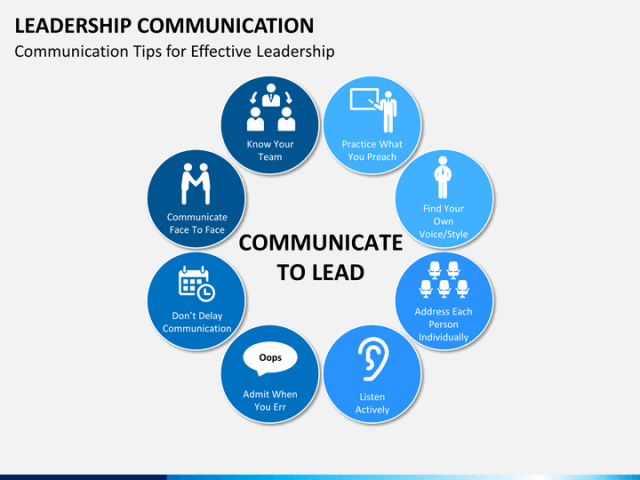
Communication is the foundation of leadership. Without clear communication, even strong strategies fail to gain traction.
Effective leaders communicate by:
- Sharing expectations clearly
• Listening actively to feedback
• Explaining decisions transparently
• Aligning teams around common goals
• Adapting communication styles to different audiences
Strong communication reduces misunderstandings, improves collaboration, and builds trust across the organization.
3. Emotional Intelligence
Emotional intelligence is the ability to understand and manage emotions, both your own and those of others. This skill has become increasingly important in modern leadership.
Leaders with high emotional intelligence:
- Recognize team members’ needs
• Handle conflict constructively
• Stay calm under pressure
• Build strong relationships
• Foster a positive work environment
Emotionally intelligent leaders create cultures where employees feel supported, leading to higher engagement and retention.
4. Decision Making and Accountability

Growth requires decisions. Some are small, others have long term consequences. Strong leaders make informed decisions and take responsibility for outcomes.
Effective decision making involves:
- Analyzing data and insights
• Considering multiple perspectives
• Acting decisively when needed
• Owning both successes and failures
Accountability builds credibility. Teams trust leaders who stand by their decisions and learn from mistakes.
5. Ability to Empower and Develop Others
Organizations grow when their people grow. Leaders who empower employees create scalable success.
Empowering leadership includes:
- Delegating responsibility
• Encouraging autonomy
• Providing learning opportunities
• Recognizing performance
• Supporting career development
When leaders invest in their teams, productivity increases and future leaders emerge within the organization.
How These Leadership Skills Drive Long Term Growth
These five leadership skills work together to create sustainable growth. Strategic vision provides direction. Communication aligns efforts. Emotional intelligence strengthens relationships. Decision making ensures progress. Empowerment builds capacity.
Organizations that prioritize leadership development experience:
- Stronger team performance
• Better adaptability to change
• Higher employee satisfaction
• Improved operational efficiency
• Long term business growth
Leadership is not a one time achievement. It is a continuous process of learning and improvement.
In This Article
- Role of Leadership in Organizational Growth
• Strategic Thinking and Vision
• Importance of Effective Communication
• Emotional Intelligence in Leadership
• Decision Making and Accountability
• Empowering and Developing Teams
Frequently Asked Questions
Can leadership skills be learned or are they natural
Leadership skills can absolutely be learned and developed through experience, training, and self awareness.
Why is emotional intelligence important for leaders
It helps leaders manage relationships, resolve conflicts, and create positive work environments.
How does leadership impact company culture
Leaders set the tone. Their behavior influences values, communication, and team dynamics.
Do leadership skills matter at all levels of an organization
Yes. Leadership skills are valuable for managers, team leads, and individual contributors alike.
How can organizations develop better leaders
Through training, mentorship, feedback, and opportunities for responsibility.