

Ultimate Guide to Digital Marketing: Strategies, Benefits & More
Digital marketing has transformed how businesses connect with customers, build brands, and drive revenue. What once relied heavily on traditional advertising now depends on data, technology, and digital touchpoints. In today’s competitive market, digital marketing is no longer optional. It is a core business function.
From startups to global enterprises, organizations use digital marketing to reach the right audience, deliver personalized experiences, and achieve measurable growth. However, success does not come from random posting or running ads without direction. It comes from strategy, execution, and continuous optimization.
This ultimate guide explores digital marketing in depth, covering what it is, why it matters, key strategies, benefits, and how businesses can use it to grow sustainably.
What Is Digital Marketing
Digital marketing refers to promoting products, services, or brands through digital channels. These channels include search engines, websites, social media platforms, email, mobile apps, and online advertising networks.
Digital marketing allows businesses to:
- Reach audiences where they spend time
• Target users based on behavior and interests
• Measure performance in real time
• Adjust strategies quickly
Unlike traditional marketing, digital marketing offers precision, flexibility, and scalability.
Why Digital Marketing Is Essential for Modern Businesses
Consumer behavior has shifted online. People search, compare, and purchase digitally. Businesses that fail to adapt risk losing visibility and relevance.
Digital marketing is essential because it helps businesses:
- Increase brand visibility
• Reach targeted audiences
• Generate qualified leads
• Build customer trust
• Improve conversion rates
• Scale growth efficiently
In a digital first world, marketing success depends on online presence and performance.
Core Digital Marketing Channels Explained
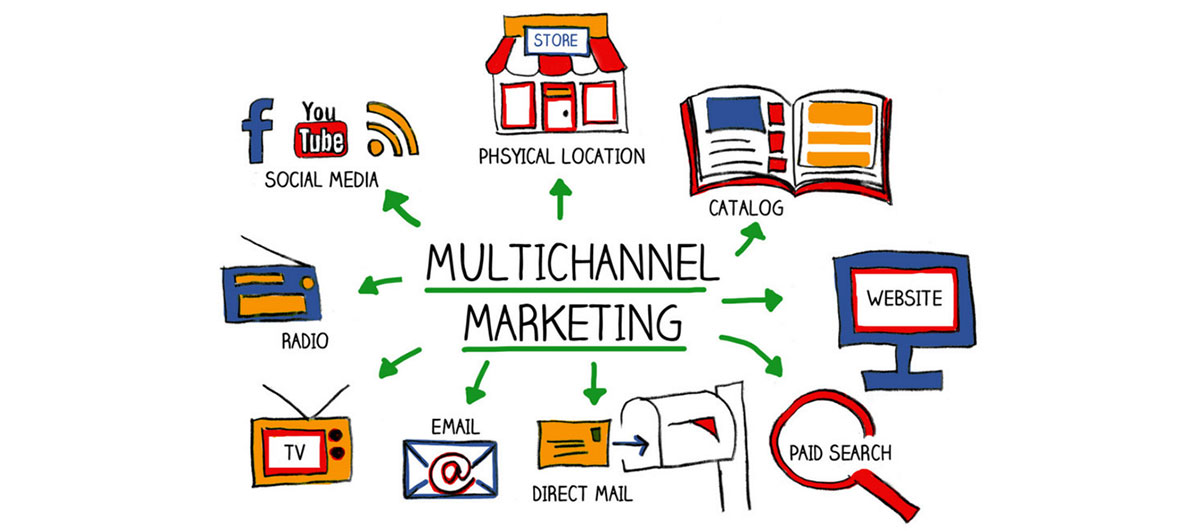
Digital marketing includes multiple channels, each serving a specific purpose within a broader strategy.
Search Engine Optimization
SEO focuses on improving website visibility in organic search results. It helps businesses attract consistent, long term traffic by targeting keywords users actively search for.
Paid Advertising
Paid media includes search ads, social media ads, display ads, and retargeting campaigns. Paid advertising delivers faster results and supports scalable growth when optimized properly.
Content Marketing
Content marketing builds trust and authority by providing value through blogs, videos, guides, and educational resources.
Social Media Marketing
Social platforms help brands engage audiences, build communities, and amplify content organically and through paid promotion.
Email Marketing
Email marketing supports lead nurturing, customer retention, and personalized communication.
Each channel works best when aligned with clear goals and integrated into a unified strategy.
Digital Marketing Strategies That Drive Results
Effective digital marketing relies on strategy rather than tactics alone.
High performing strategies include:
- Audience research and segmentation
• Clear goal setting and KPIs
• Funnel based marketing
• Content driven engagement
• Conversion optimization
• Data based decision making
A strategic approach ensures every campaign contributes to business growth.
Benefits of Digital Marketing

Digital marketing offers measurable advantages over traditional marketing methods.
Key benefits include:
- Cost effective campaigns
• Targeted audience reach
• Real time performance tracking
• Higher engagement potential
• Improved customer insights
• Scalable growth opportunities
Businesses gain greater control and visibility over marketing investments.
How Digital Marketing Supports the Customer Journey
Digital marketing influences every stage of the customer journey.
At awareness, users discover brands through search, social media, and ads.
At consideration, content, reviews, and engagement build trust.
At conversion, optimized funnels and retargeting drive action.
At retention, email and social engagement strengthen loyalty.
When executed correctly, digital marketing creates a seamless customer experience.
The Role of Data and Analytics in Digital Marketing
Data is the backbone of digital marketing. It allows businesses to understand performance and improve outcomes.
Analytics help marketers:
- Measure traffic and engagement
• Track conversions
• Identify high performing channels
• Optimize budgets
• Improve ROI
Decisions backed by data reduce risk and improve efficiency.
Common Digital Marketing Challenges
Despite its benefits, digital marketing comes with challenges.
Common challenges include:
- Rising competition
• Ad fatigue
• Algorithm changes
• Inconsistent messaging
• Poor tracking setup
Overcoming these challenges requires adaptability, testing, and continuous learning.
How to Build a Strong Digital Marketing Plan
A strong digital marketing plan aligns goals, channels, and execution.
Key planning steps include:
- Defining business objectives
• Understanding the target audience
• Selecting the right channels
• Creating content and campaigns
• Setting budgets and timelines
• Measuring and optimizing results
Planning provides structure and direction for growth.
Future Trends in Digital Marketing
Digital marketing continues to evolve with technology and consumer behavior.
Emerging trends include:
- Artificial intelligence driven marketing
• Personalization at scale
• Voice and visual search
• Short form video dominance
• Privacy focused data strategies
Staying ahead of trends helps businesses remain competitive.
In This Article
- What Digital Marketing Is
• Importance of Digital Marketing
• Core Digital Marketing Channels
• Proven Digital Marketing Strategies
• Benefits of Digital Marketing
• Customer Journey Impact
• Role of Data and Analytics
• Common Challenges
• Building a Digital Marketing Plan
• Future Digital Marketing Trends
Frequently Asked Questions
Is digital marketing suitable for all businesses
Yes. Businesses of all sizes and industries can benefit from digital marketing when strategies are tailored correctly.
How long does it take to see digital marketing results
Paid campaigns can show results quickly, while organic strategies like SEO take longer but deliver long term value.
Do businesses need multiple digital marketing channels
Not always. The right mix depends on goals, audience, and resources.
Is digital marketing expensive
Costs vary, but digital marketing is often more cost effective than traditional advertising.
How often should digital strategies be updated
Regular reviews and optimizations should be done monthly, with strategic updates quarterly.