

How to Redesign Your Website for Today’s Standards
Many business websites were built years ago.
They may still function, but they no longer meet current expectations.
Users today expect:
- Fast loading speeds
- Mobile-first design
- Clear navigation
- Seamless user experience
If your website does not meet these standards, it can directly impact engagement, conversions, and search visibility.
The question is no longer:
Should you redesign your website?
It is:
How do you redesign it the right way?
What Does “Website Redesign” Actually Mean Today?
A redesign is not just about changing how your website looks.
It is a complete upgrade that focuses on:
- Performance
- User experience
- Conversion optimization
- Technical structure
Modern websites are built to support business growth, not just display information.
Why Redesigning for Today’s Standards Is Critical
Search engines like Google prioritize performance and usability.
At the same time, users expect speed and simplicity.
Outdated websites often result in:
- High bounce rates
- Poor conversions
- Lower rankings
A redesign helps align your website with both user expectations and search engine requirements.
- Start with a Full Website Audit

Before redesigning, you need to understand your current performance.
Analyze:
- Traffic sources
- User behavior
- Page performance
- Conversion funnels
An audit helps identify what is working and what needs improvement.
2. Define Clear Business and User Goals
A redesign should be driven by purpose.
Ask:
- What should your website achieve?
- Who is your target audience?
- What actions should users take?
Clear goals guide design and development decisions.
3. Upgrade to a Modern Design System
Design standards have evolved.
Modern websites focus on:
- Clean layouts
- Consistent design systems
- Visual hierarchy
- Accessibility
A modern design improves both usability and perception.
4. Optimize for Mobile-First Experience
Mobile traffic dominates most industries.
Your website should:
- Be fully responsive
- Load quickly on mobile devices
- Offer easy navigation
Mobile-first design is no longer optional.
5. Improve Website Speed and Performance
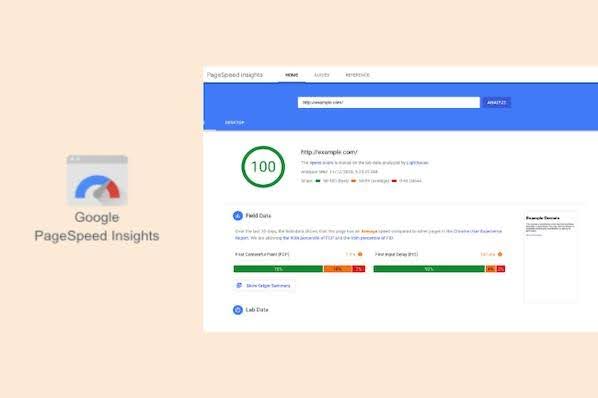
Performance directly impacts user experience.
Focus on:
- Optimizing images
- Reducing scripts
- Improving hosting
- Enhancing load times
Faster websites retain users and improve conversions.
6. Redesign Content Structure and Messaging
Content should be clear and purposeful.
Focus on:
- Strong headlines
- Clear value propositions
- Logical page structure
- Internal linking
Good content improves both user engagement and SEO.
7. Strengthen Conversion Paths
A website should guide users toward action.
Improve:
- Call-to-action placement
- Form simplicity
- Trust signals
Conversion optimization should be a core part of redesign.
8. Integrate Modern Tools and Technology
Modern websites rely on integrations.
These include:
- Analytics tools
- CRM systems
- Chat support
- Marketing automation
The right tools improve functionality and efficiency.
9. Test, Launch, and Continuously Improve
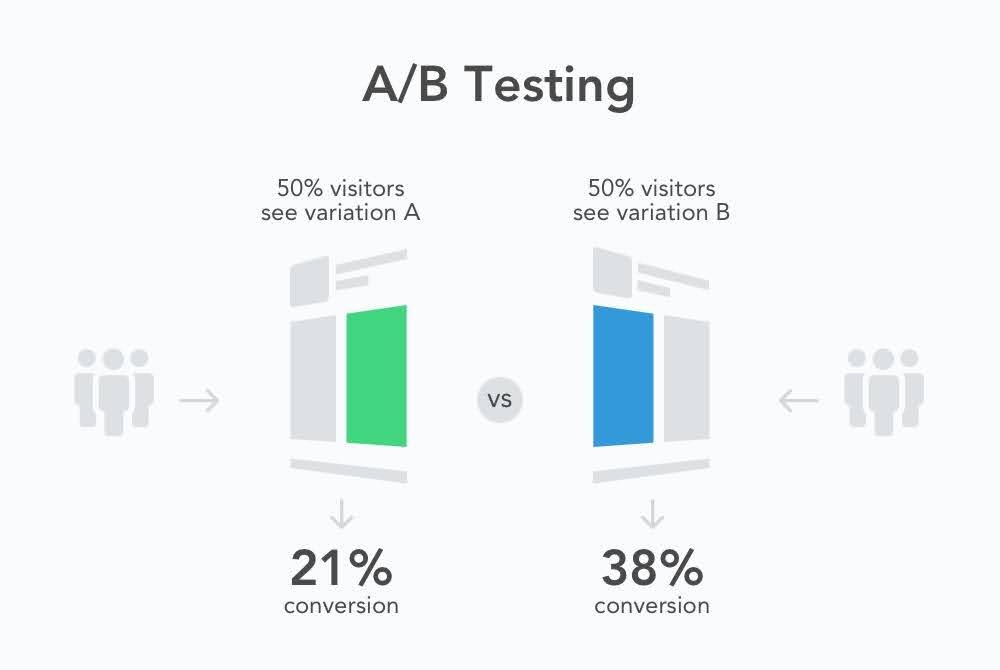
A redesign is not the final step.
After launch:
- Test performance
- Analyze user behavior
- Optimize continuously
Continuous improvement ensures long-term success.
Common Mistakes to Avoid
- Focusing only on design
- Ignoring performance
- Lack of clear goals
- Not testing before launch
- Treating redesign as a one-time task
Avoiding these mistakes improves outcomes.
Is Website Redesign Worth It?
Yes, when done strategically.
A well-executed redesign:
- Improves user experience
- Increases conversions
- Enhances SEO performance
- Supports business growth
The key is aligning redesign with business objectives.
How Markit Media Helps You Redesign Websites for Performance and Growth
Redesigning a website requires both strategy and execution.
At Markit Media, we focus on:
- Performance audits and analysis
- Conversion-focused design
- Technical optimization
- SEO-driven structure
- Continuous improvement
The goal is to create websites that deliver measurable results.
Frequently Asked Questions
How often should a website be redesigned?
Every 2 to 3 years, depending on performance and industry changes.
How long does a redesign take?
Typically 4 to 12 weeks depending on complexity.
Will redesigning affect SEO?
Yes, but proper planning can improve rankings.
What is the cost of redesigning a website?
Costs vary based on design, features, and development requirements.
In This Article
- Why Website Redesign Matters
- What Modern Redesign Means
- Website Audit Process
- Defining Goals
- Modern Design Systems
- Mobile Optimization
- Performance Improvements
- Content and Messaging
- Conversion Optimization
- Tools and Integrations
- Testing and Optimization
- Common Mistakes
- Is Redesign Worth It
- How Markit Media Helps