

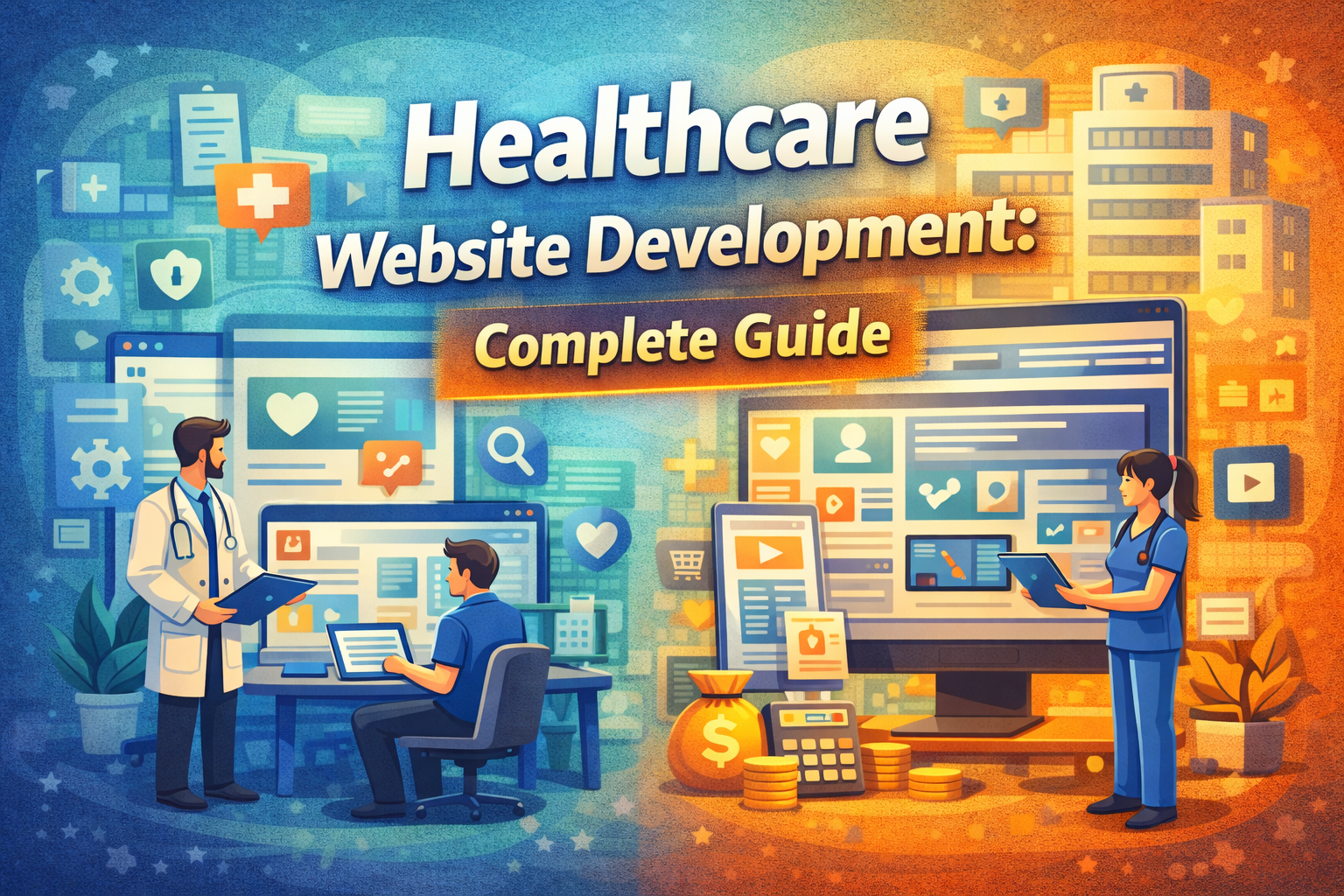
Healthcare Website Development: Complete Guide
A healthcare website is more than just an online presence.
It is a critical touchpoint between patients and providers.
Users rely on it for:
- Booking appointments
- Accessing medical information
- Evaluating trust and credibility
Unlike standard business websites, healthcare platforms must meet higher standards of:
- Security
- Compliance
- Usability
The question is not just:
How do you build a healthcare website?
It is:
How do you build one that patients trust and systems can support?
What Makes Healthcare Website Development Different
Healthcare websites operate in a sensitive and regulated environment.
They must balance:
- User experience
- Data privacy
- Technical reliability
This includes compliance with regulations like HIPAA, which governs how patient data is handled.
A failure in compliance can lead to legal and reputational risks.
Why Healthcare Websites Require a Strategic Approach
Patients today expect:
- Easy navigation
- Fast access to information
- Mobile-friendly experience
- Secure data handling
Search engines like Google also prioritize:
- Page speed
- Mobile usability
- Content quality
A well-built healthcare website improves both patient experience and online visibility.
1. Define Website Goals and Patient Journey
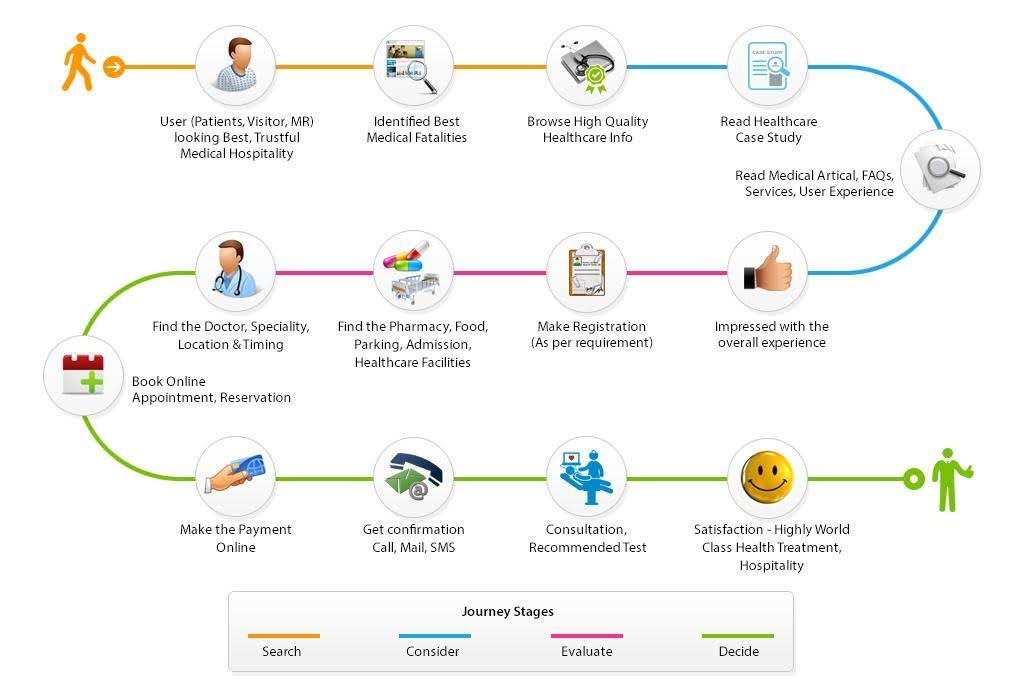
Start by understanding what your website needs to achieve.
Common goals include:
- Appointment booking
- Patient education
- Lead generation
- Telemedicine access
Map the patient journey from entry to action.
A clear structure improves usability and conversions.
- Ensure Compliance and Data Security
Security is a top priority in healthcare.
Key requirements:
- Data encryption
- Secure hosting
- Compliance with HIPAA
- Protected patient portals
Trust is built through strong security practices.
3. Design for Accessibility and User Experience
Healthcare websites must be easy to use for all users.
Focus on:
- Simple navigation
- Readable content
- Accessibility standards
- Mobile responsiveness
Patients should find information quickly without confusion.
4. Integrate Essential Healthcare Features
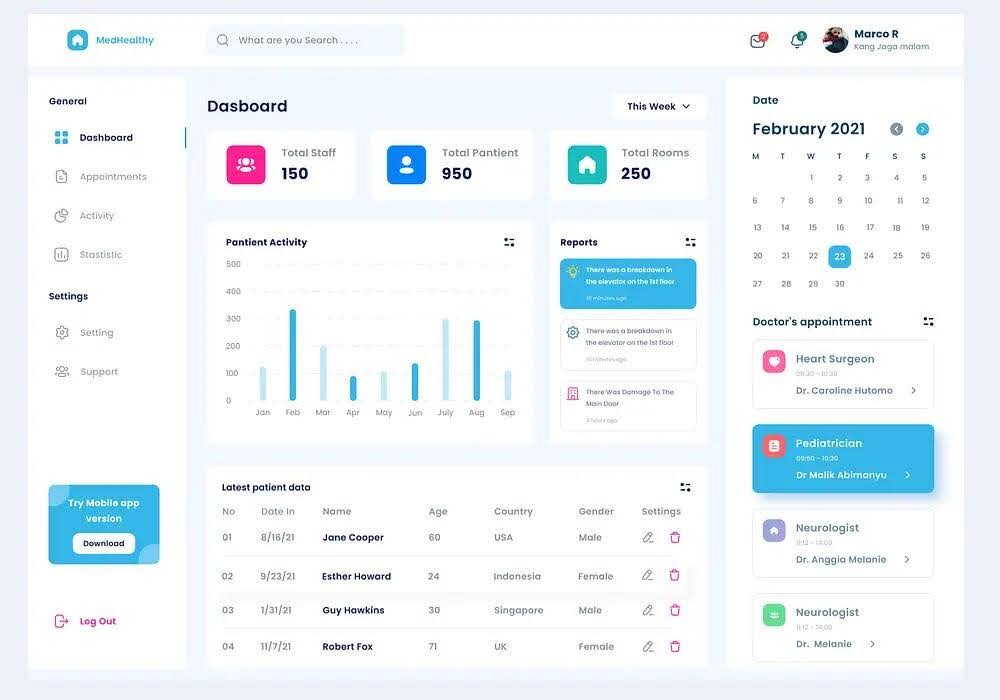
Healthcare websites require specialized features.
Common integrations include:
- Appointment scheduling
- Patient portals
- Telemedicine systems
- Electronic health records (EHR)
These features improve both efficiency and patient experience.
5. Optimize for Performance and Speed
Performance impacts user experience and search rankings.
Focus on:
- Fast loading times
- Optimized images
- Reliable hosting
Patients expect quick access, especially in urgent situations.
6. Build SEO-Optimized Healthcare Content
Content plays a major role in visibility.
Focus on:
- Service pages
- Educational blogs
- Location-based SEO
- Clear medical information
SEO helps patients find your services online.
7. Ensure Mobile-First Experience
A large portion of healthcare searches happen on mobile devices.
Your website should:
- Load quickly on mobile
- Be easy to navigate
- Provide clear CTAs
Mobile-first design improves accessibility and engagement.
8. Test, Launch, and Continuously Improve
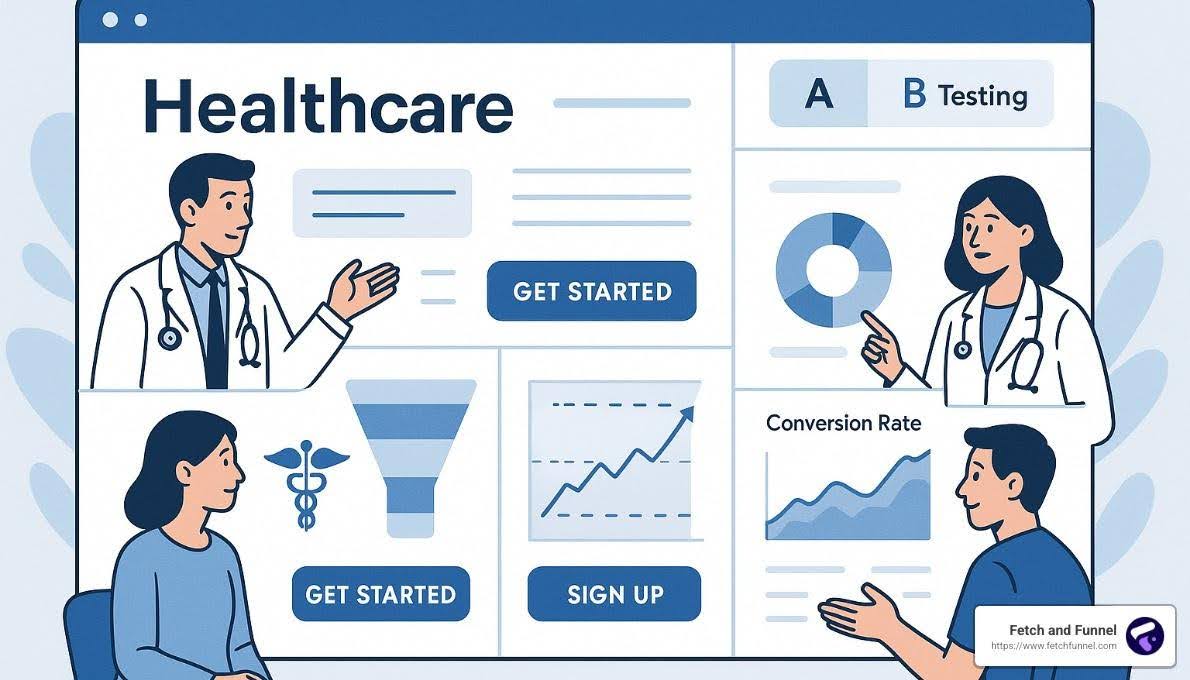
After launch:
- Monitor performance
- Analyze user behavior
- Optimize continuously
Healthcare websites must evolve with user needs and technology.
Cost of Healthcare Website Development
Costs vary based on complexity and features.
Typical ranges:
- Basic healthcare website: $5,000 – $15,000
- Advanced website with integrations: $15,000 – $50,000
- Custom healthcare platforms: $50,000 – $150,000+
Factors affecting cost:
- Compliance requirements
- Features and integrations
- Design complexity
- Security infrastructure
Common Mistakes to Avoid
- Ignoring compliance requirements
- Poor user experience
- Slow website performance
- Lack of mobile optimization
- Weak content strategy
Avoiding these mistakes improves both trust and performance.
Is Healthcare Website Development Worth It?
Yes.
A well-built healthcare website:
- Builds patient trust
- Improves accessibility
- Enhances operational efficiency
- Increases patient acquisition
It is a critical investment for modern healthcare providers.
How Markit Media Helps You Build Secure and High-Performance Healthcare Websites
Healthcare websites require expertise across design, development, and compliance.
At Markit Media, we focus on:
- Compliance-driven development
- Secure and scalable architecture
- Patient-focused UX design
- SEO and performance optimization
- Continuous improvement and support
The goal is to build platforms that patients trust and businesses rely on.
Frequently Asked Questions
What is required for a healthcare website?
Security, compliance, user-friendly design, and essential features like appointment booking.
What is HIPAA compliance?
It is a regulation that protects patient data privacy in the United States.
How long does it take to build a healthcare website?
Typically 6 to 16 weeks depending on complexity.
Are healthcare websites expensive?
They can be, due to security and compliance requirements.
In This Article
- Healthcare Website Overview
- What Makes It Different
- Compliance and Security
- UX and Accessibility
- Features and Integrations
- Performance Optimization
- SEO and Content Strategy
- Mobile Optimization
- Testing and Improvement
- Cost Breakdown
- Common Mistakes
- Is It Worth It
- How Markit Media Helps