

Building a Successful eCommerce Website: A Step-by-Step Guide
With platforms like Shopify and WooCommerce, launching an online store has become simple.
But success in eCommerce is not about launching.
It is about:
- Converting visitors into customers
- Creating a seamless user experience
- Building a scalable system
Most stores fail not because of lack of effort, but because of lack of structure.
What Makes an eCommerce Website Successful
A successful eCommerce website is not defined by design alone.
It depends on:
- Product-market fit
- Clear positioning
- Conversion-focused design
- Strong marketing strategy
Every step in the process contributes to the final outcome.
Why a Structured Approach Matters
Without a clear process, businesses often:
- Launch too early
- Choose the wrong platform
- Ignore user experience
- Struggle with conversions
A step-by-step approach reduces risk and improves performance.
Step 1: Choose the Right Niche and Products
Your niche defines your entire business.
Focus on:
- Solving a specific problem
- Targeting a clear audience
- Ensuring consistent demand
Avoid broad categories.
Focused niches perform better.
Step 2: Validate Your Business Idea
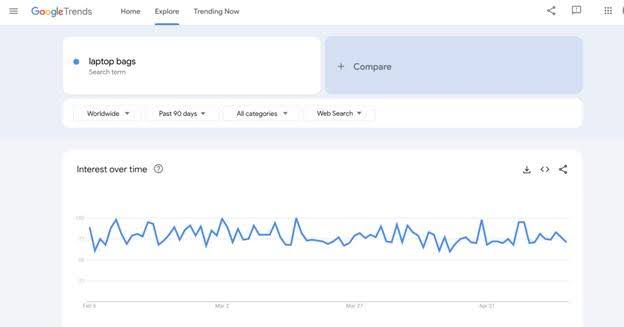
Before investing heavily, validate your idea.
You can:
- Analyze search trends
- Study competitors
- Run small test campaigns
Validation ensures that demand exists.
Step 3: Choose the Right Platform
Your platform determines flexibility and scalability.
Options include:
- Shopify for ease of use
- WooCommerce for flexibility
Choose based on your technical comfort and growth plans.
Step 4: Build a Conversion-Focused Website
Your website is your storefront.
Focus on:
- Clean design
- Fast loading speed
- Easy navigation
- Clear CTAs
Design directly impacts sales.
Step 5: Set Up Payments, Shipping, and Operations
Operational setup is critical.
You need:
- Payment gateways
- Shipping options
- Inventory management
A smooth backend ensures a better customer experience.
Step 6: Create Strong Product Pages
Product pages drive conversions.
They should include:
- High-quality images
- Clear descriptions
- Pricing and benefits
- Reviews and trust signals
Strong product pages reduce hesitation.
Step 7: Drive Traffic to Your Store
Without traffic, there are no sales.
Key channels:
- Paid ads
- SEO
- Social media
Platforms like Instagram and Facebook are commonly used.
Step 8: Optimize for Conversions
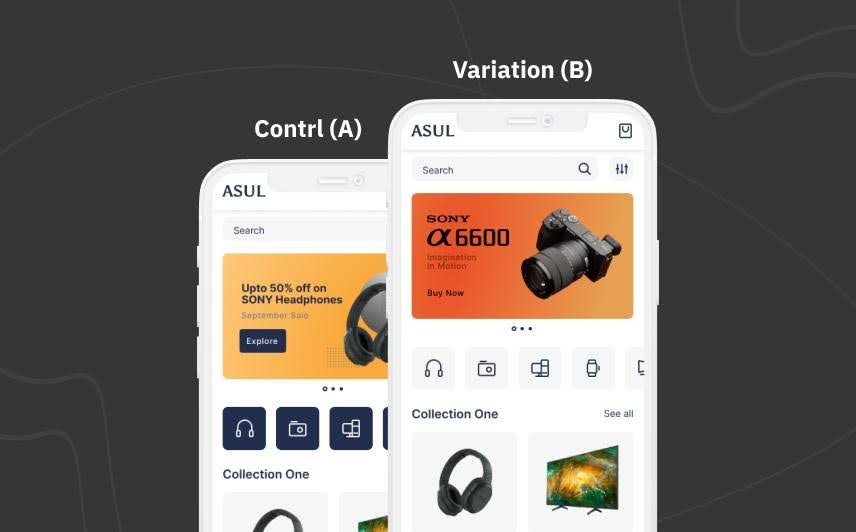
Getting traffic is not enough.
You must:
- Improve conversion rates
- Reduce cart abandonment
- Simplify checkout
Optimization increases revenue without increasing traffic.
Step 9: Scale Your eCommerce Business
Once your store is stable, focus on scaling.
This includes:
- Increasing ad spend
- Expanding product range
- Improving operations
Scaling should always be data-driven.
Common Mistakes to Avoid
- Skipping validation
- Choosing the wrong niche
- Poor website design
- Ignoring marketing
- Not analyzing data
Avoiding these mistakes improves your chances of success.
Is Building an eCommerce Website Worth It?
Yes, when approached strategically.
eCommerce offers:
- Global reach
- High scalability
- Strong growth potential
But success depends on execution.
How Markit Media Helps You Build High-Performing eCommerce Websites
At Markit Media, we focus on building systems, not just websites.
We help with:
- Strategy and planning
- Conversion-focused design
- Platform selection
- Marketing integration
- Scaling and optimization
The goal is to create eCommerce businesses that generate consistent revenue.
Frequently Asked Questions
How long does it take to build an eCommerce website?
It can take from a few days to several months depending on complexity.
Which platform is best for beginners?
Shopify is often the easiest option.
How much does it cost to start?
Costs can range from a few hundred to several thousand dollars.
Do I need marketing from day one?
Yes, traffic is essential for sales.
In This Article
- eCommerce Website Overview
- What Makes a Store Successful
- Step-by-Step Process
- Niche Selection
- Product Validation
- Platform Choice
- Website Development
- Product Page Optimization
- Traffic Generation
- Conversion Optimization
- Scaling Strategy
- Common Mistakes
- Is It Worth It
- How Markit Media Helps