

Static vs Dynamic Websites: Key Differences and Best Uses
Most users only see the front end of a website.
But what happens behind the scenes determines:
- Speed
- Flexibility
- Scalability
- Cost
Two fundamental approaches define how websites are built:
Static websites and dynamic websites.
Choosing the right one can directly impact performance and long-term growth.
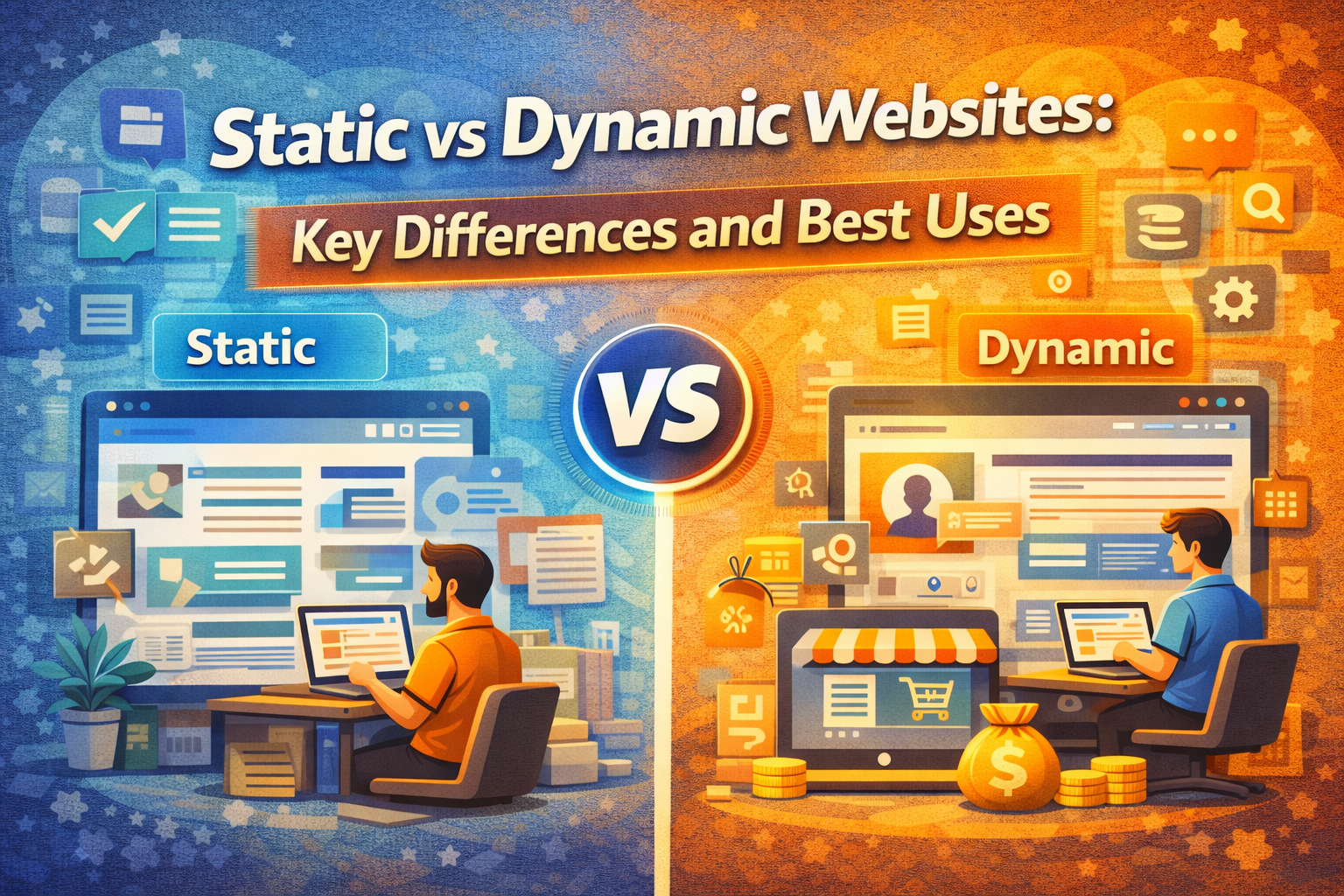
Static vs Dynamic Websites: The Core Difference
At a basic level:
- Static Website
Pre-built pages delivered exactly as they are - Dynamic Website
Pages generated in real time based on user interaction and data
Static websites are simple and fast.
Dynamic websites are flexible and interactive.
Why This Decision Matters for Your Business
Your website type affects:
- Development complexity
- User experience
- Maintenance requirements
- Future scalability
Search engines like Google also consider performance and structure.
Choosing the wrong type can create limitations as your business grows.
1. How Static Websites Work
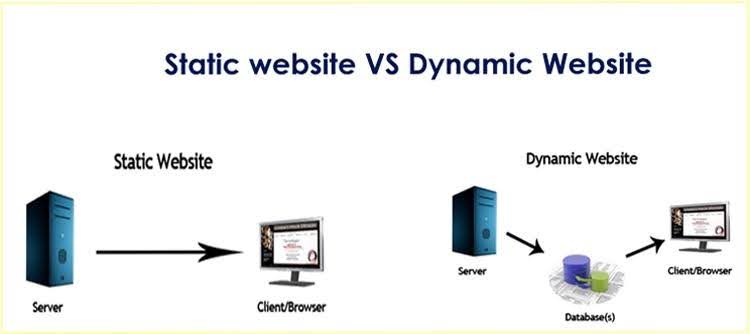
Static websites consist of fixed files.
Each page is:
- Pre-built
- Stored on a server
- Delivered directly to users
Key Characteristics:
- No database
- No real-time processing
- Fast loading speed
Best for:
- Small business websites
- Landing pages
- Portfolio sites
2. How Dynamic Websites Work
Dynamic websites generate content in real time.
They rely on:
- Databases
- Server-side processing
- User interaction
Platforms like WordPress are examples of dynamic systems.
Key Characteristics:
- Content updates dynamically
- Supports user accounts and interactions
- Highly flexible
Best for:
- eCommerce websites
- Membership platforms
- Content-heavy sites
3. Performance and Speed Comparison
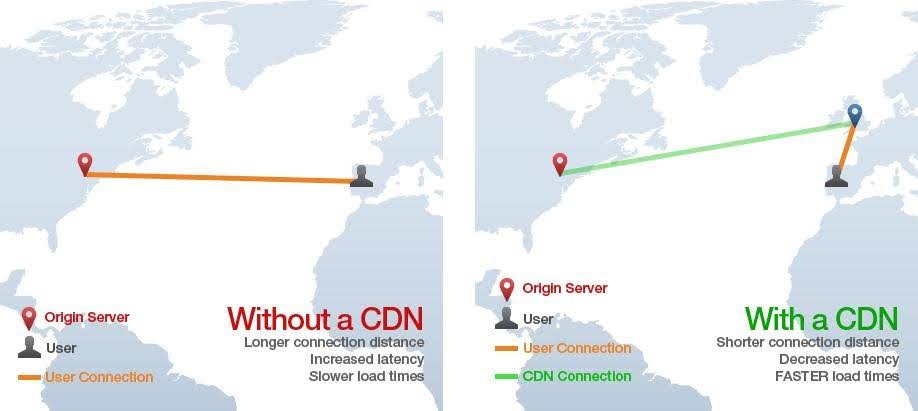
Static Websites:
- Extremely fast
- Minimal server processing
- Better for performance optimization
Dynamic Websites:
- Slower compared to static
- Depends on server and database performance
Speed impacts both user experience and SEO.
4. Flexibility and Functionality
Static Websites:
- Limited functionality
- Changes require manual updates
Dynamic Websites:
- Highly flexible
- Supports:
- User logins
- Content updates
- Complex features
Dynamic websites are built for interaction.
5. Development Cost and Complexity
Static Websites:
- Lower cost
- Faster development
- Minimal technical requirements
Dynamic Websites:
- Higher cost
- Requires backend development
- More complex architecture
Cost increases with functionality.
6. Scalability and Growth
Static Websites:
- Limited scalability
- Not ideal for growing platforms
Dynamic Websites:
- Built for scaling
- Supports expanding features and data
If growth is a priority, dynamic websites offer better flexibility.
7. Maintenance and Updates
Static Websites:
- Manual updates required
- Low maintenance overall
Dynamic Websites:
- Easy content updates via CMS
- Requires ongoing maintenance
Dynamic systems are easier to manage at scale.
Static vs Dynamic: Quick Comparison
| Factor | Static Website | Dynamic Website |
| Speed | Very Fast | Moderate |
| Cost | Low | Higher |
| Flexibility | Limited | High |
| Scalability | Low | High |
| Maintenance | Minimal | Ongoing |
| Use Case | Simple sites | Complex platforms |
Which One Should You Choose?
The right choice depends on your business needs.
Choose a Static Website if:
- You need a simple website
- Performance is your priority
- Content rarely changes
Choose a Dynamic Website if:
- You need advanced features
- Content updates frequently
- You plan to scale
The decision should align with your long-term goals.
Common Mistakes to Avoid
- Choosing static for complex needs
- Overbuilding with dynamic features
- Ignoring scalability
- Not planning for future growth
Balance simplicity with functionality.
Is One Better Than the Other?
No.
Each serves a different purpose.
- Static websites are fast and simple
- Dynamic websites are powerful and flexible
The best option depends on your requirements.
How Markit Media Helps You Choose and Build the Right Website Type
Choosing the right architecture is critical.
At Markit Media, we help you:
- Analyze your business needs
- Recommend the right approach
- Build performance-focused websites
- Ensure scalability and flexibility
- Optimize for long-term growth
The goal is to build a website that fits your business, not the other way around.
Frequently Asked Questions
What is a static website?
A website with fixed content that does not change dynamically.
What is a dynamic website?
A website that generates content in real time using databases and user input.
Which is faster?
Static websites are generally faster.
Which is better for business?
Dynamic websites are better for scalability and complex needs.
In This Article
- Static vs Dynamic Overview
- How Static Websites Work
- How Dynamic Websites Work
- Performance Comparison
- Flexibility and Features
- Cost Analysis
- Scalability
- Maintenance
- Comparison Table
- Choosing the Right Option
- Common Mistakes
- Which Is Better
- How Markit Media Helps