

Shopify vs WooCommerce vs Magento: Which Platform Is Best?
Launching an online store today is easier than ever.
But building a store that performs, scales, and generates revenue depends on one key decision:
Which platform should you choose?
Three of the most popular options dominate the market:
- Shopify
- WooCommerce
- Magento
At a glance, all three can help you sell online.
But under the surface, they are built for very different types of businesses.
Why Platform Choice Matters More Than You Think
Your eCommerce platform affects:
- How fast you can launch
- How much you spend
- How your store performs
- How easily you can scale
Changing platforms later is costly and complex.
That is why choosing the right one from the start is critical.
Understanding the Core Difference
Each platform is built on a different philosophy.
- Shopify
A fully hosted, all-in-one solution designed for simplicity - WooCommerce
A flexible, open-source plugin built on WordPress - Magento (Adobe Commerce)
A powerful, enterprise-level platform built for complex stores
The best choice depends on your business needs, not popularity.
1. Ease of Use and Setup
Shopify:
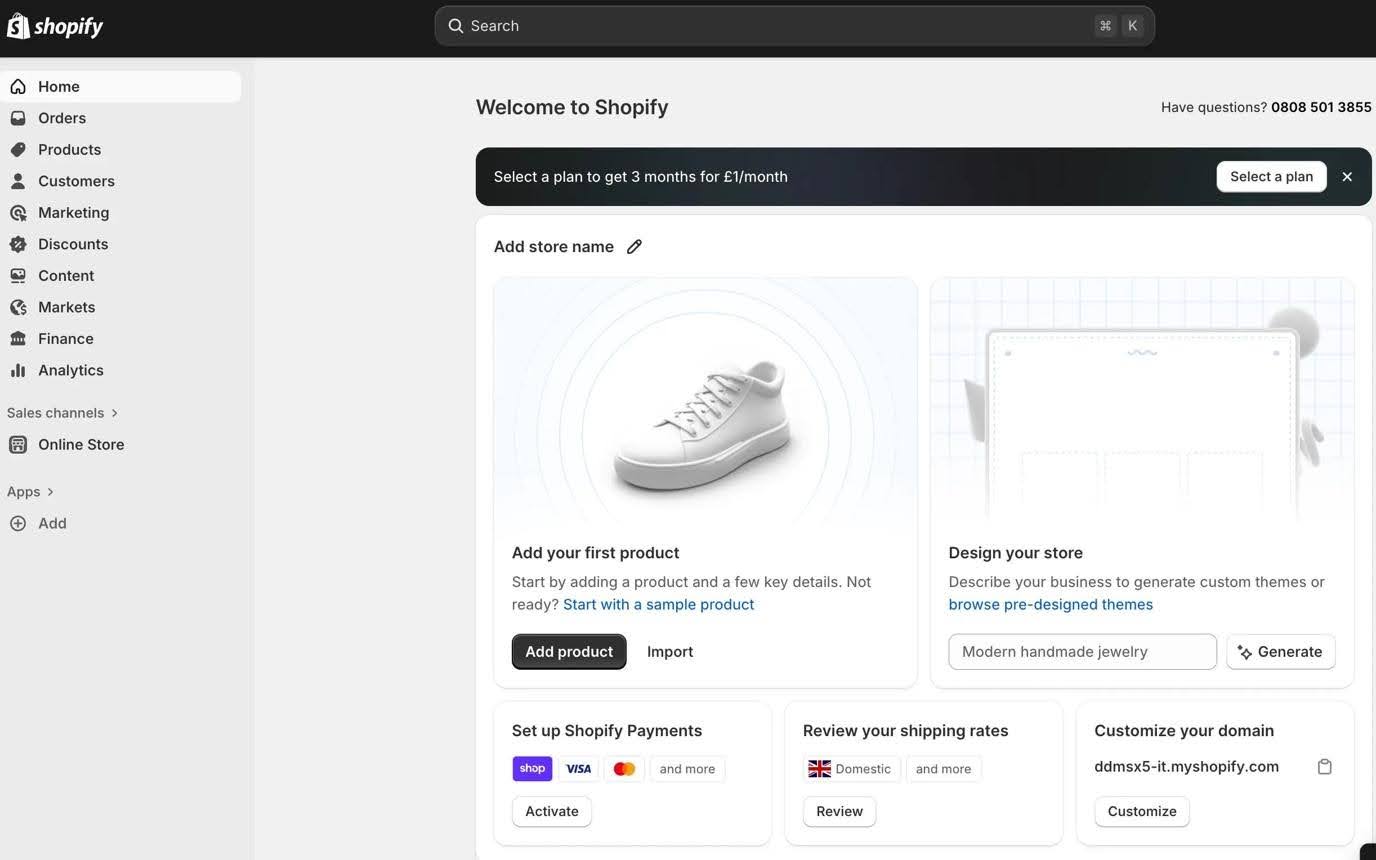
- Beginner-friendly
- Quick setup
- No technical expertise required
WooCommerce:
- Moderate learning curve
- Requires WordPress knowledge
- More control but more setup
Magento:
- Complex setup
- Requires developers
- Not suitable for beginners
If ease of use is your priority, Shopify leads.
2. Design and Customization Flexibility
Shopify:
- High-quality themes
- Limited deep customization
WooCommerce:
- Fully customizable
- Wide theme and plugin ecosystem
Magento:
- Unlimited customization
- Requires development resources
Customization increases as complexity increases.
3. Cost and Budget Considerations
Cost is one of the biggest differentiators.
Shopify:
- Monthly subscription
- Additional app costs
WooCommerce:
- Free core plugin
- Costs for hosting, plugins, and development
Magento:
- High development and maintenance cost
- Enterprise-level investment
Cost Reality:
- Shopify = Predictable costs
- WooCommerce = Flexible costs
- Magento = High investment
4. Features and Functionality
Shopify:
- Built-in features
- App-based extensions
WooCommerce:
- Plugin-based flexibility
- Large ecosystem
Magento:
- Advanced native features
- Enterprise-level capabilities
Magento offers the most power, but also the most complexity.
5. Performance and Speed
Website performance impacts conversions.
Shopify:
- Optimized hosting
- Reliable performance
WooCommerce:
- Depends on hosting quality
- Requires optimization
Magento:
- High performance potential
- Requires strong infrastructure
Performance depends heavily on setup.
6. Scalability and Growth Potential
Shopify:
- Scales easily for most businesses
- Limited for highly complex needs
WooCommerce:
- Scalable with proper setup
- Requires technical management
Magento:
- Built for large-scale operations
- Ideal for enterprise businesses
7. SEO and Marketing Capabilities
SEO drives long-term traffic.
Shopify:
- Good SEO features
- Limited deep control
WooCommerce:
- Strong SEO capabilities via WordPress
- High flexibility
Magento:
- Advanced SEO features
- Requires expertise
WooCommerce offers the most flexibility for SEO.
8. Maintenance and Technical Control
Shopify:
- Fully managed
- Minimal maintenance
WooCommerce:
- Requires updates and management
- More control
Magento:
- High maintenance
- Requires dedicated development team
Control increases with complexity.
Quick Comparison Overview
| Factor | Shopify | WooCommerce | Magento |
| Ease of Use | Very Easy | Moderate | Complex |
| Cost | Subscription | Flexible | High |
| Customization | Moderate | High | Very High |
| Scalability | Good | High | Enterprise |
| Performance | Managed | Hosting dependent | High potential |
| Maintenance | Low | Medium | High |
Which Platform Should You Choose?
There is no universal winner.
The right choice depends on your business stage.
Choose Shopify if:
- You want a fast, simple launch
- You prefer low technical involvement
- You need reliability
Choose WooCommerce if:
- You want flexibility and control
- You are comfortable with WordPress
- You plan to scale gradually
Choose Magento if:
- You run a large business
- You need advanced features
- You have development resources
Common Mistakes to Avoid
- Choosing based on popularity
- Ignoring long-term scalability
- Underestimating maintenance
- Overcomplicating simple needs
The best platform is the one that fits your business.
Is There a “Best” eCommerce Platform?
No.
Each platform is designed for a different purpose.
- Shopify = Simplicity
- WooCommerce = Flexibility
- Magento = Power
Your choice should align with your goals.
How Markit Media Helps You Choose and Build on the Right Platform
Choosing the right platform is only the first step.
At Markit Media, we help you:
- Select the right platform for your business
- Design conversion-focused stores
- Build scalable eCommerce solutions
- Optimize performance and marketing
- Scale your business strategically
The goal is not just to build a store.
It is to build a system that generates revenue.
Frequently Asked Questions
Which platform is best for beginners?
Shopify is the easiest to use.
Which platform is best for SEO?
WooCommerce offers the most flexibility.
Is Magento only for large businesses?
Yes, it is best suited for enterprise-level stores.
Can I switch platforms later?
Yes, but it can be complex and costly.
In This Article
- Platform Importance in eCommerce
- Shopify vs WooCommerce vs Magento Overview
- Ease of Use Comparison
- Design and Customization
- Cost Analysis
- Features and Functionality
- Performance and Speed
- Scalability
- SEO Capabilities
- Maintenance Requirements
- Comparison Table
- Choosing the Right Platform
- Common Mistakes
- Is There a Best Platform
- How Markit Media Helps